


Stóra Dímun
Jump to chapter
Published: 03/06/2021
Reading time: 3 minutes
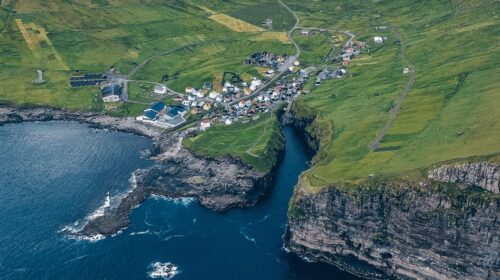
Stóra Dímun is a small island in the southern part of the remote Faroe Islands, home to only one family. The island’s total area is 2.65 square kilometres (1.02 square miles), making it the smallest inhabited island in the archipelago and the third-smallest overall.
The word “Dímun” translates to “Two Ridges” in Old Norse, while “Stóra” means “Large”. So Stóra Dímun means “Large Dímun”, while the neighbouring island, Lítla Dímun, translates to “Small Dímun”.
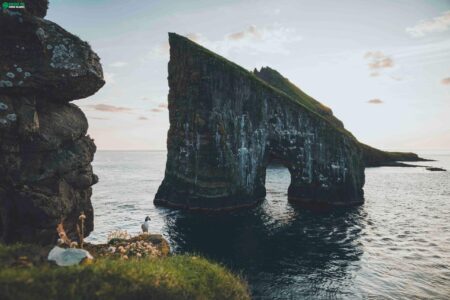
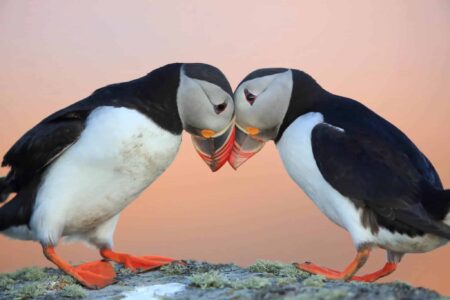
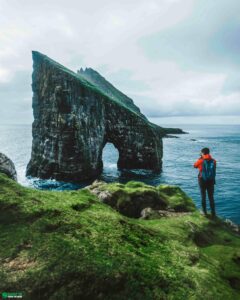
A notable feature of Stóra Dímun is its spectacular landscape, with steep cliffs shooting up from the sea around the entire island. These cliffs are filled with seabirds in summer, including puffins, guillemots, and fulmars.

Getting to Stóra Dímun
The only way to reach the island is by helicopter service. The helicopter operates three to four times a week throughout the year.
People can book the helicopter to and from Stóra Dímun on the same day, however, this will give you only one hour on the island. It is possible to stay overnight in a guesthouse that is operated by the family that lives on the island. Visits must be carefully planned due to the limited helicopter schedule.
There are no shop or public facilities on Stóra Dímun, requiring visitors to be largely self-sufficient. The island has no natural water supply, which only adds to the challenging conditions.

The Úr Dímun Family
The only family on the island bear the second name “úr Dímun” which translates to “from Dímun”.
The family maintains a traditional sheep farm, tending to approximately 450 sheep that graze freely on the steep grassy slopes.

Despite modern conveniences like good internet connectivity, life on the island remains deeply connected to traditional farming.
Weather conditions in the Faroe Islands are unpredictable and life on this small North Atlantic outpost needs to adapt to the ever-changing weather.
What to See on Stóra Dímun
The real draw of the island is its remoteness. When you’re there, you are far away from civilisation. You always feel the weather up front when you stand on the island. The best advice that you will get from the family living there is that the weather decides what you can do.
On a good day, it is possible to climb all three peaks on the island. The highest is Høgoyggj (396 m / 1299 ft), which lies in the northern part of the island. In the south, you will find the two smaller mountains, Á Kletti (308 m / 1010 ft) and Húgvan (288 m / 945 ft). Trails lead from the farmhouse to all three peaks. If you climb all three, the round-trip is 5 km (3.1 miles) and takes 2-3 hours.
A lighthouse built in 2000 stands at the southern tip of the island. In the summer, you can see puffins perched on the cliffs by the lighthouse.

Stóra Dímun on a Map
You can see Stóra Dímun on the map of the Faroe Islands located in the south of the archipelago.


More travel blogs
Popular tours
-
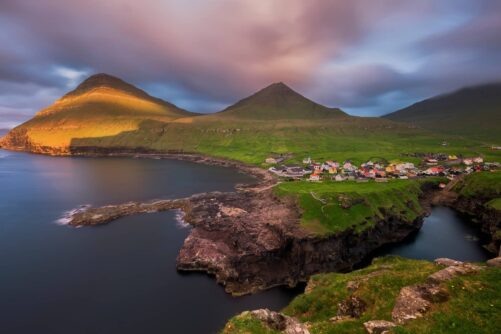
Best 7 Hour “All You Can See” Tour
Tour startsTórshavnDuration7 hours -

3 Day Summer Self-Drive | Sea Cliffs & Uncrowded Villages
Tour startsVágar AirportDuration3 days -
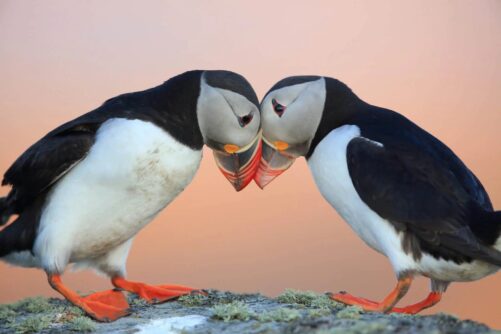
Mykines Shuttle Boat
Tour startsSørvágurDuration4 hours -
New Tour
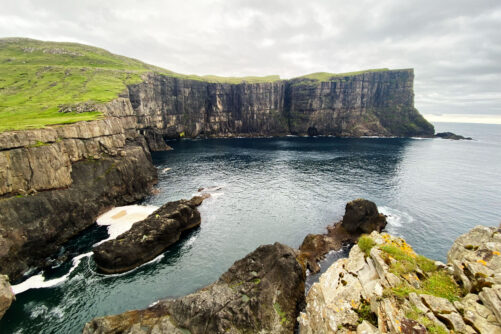
Suðuroy Island | The Photography Tour
Tour startsTórshavnDuration9 hours -
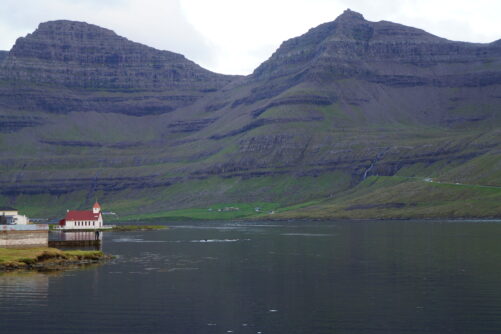
Mountainous 6 Hour Northern Islands Tour
Tour startsTórshavnDuration6 hours -
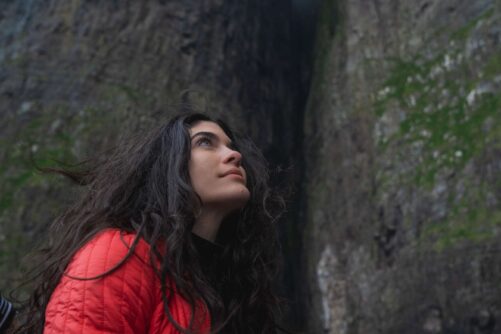
Immersive 6 Hour Vestmanna Sea Cliffs & Viking Village Tour
Tour startsTórshavnDuration6 hours -
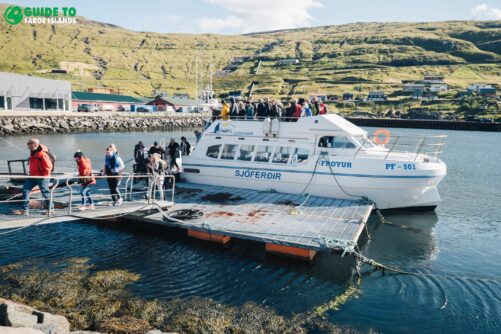
Spectacular 8 Hour Streymoy Island Day Tour
Tour startsTórshavnDuration8 hours -

The 5 Day Photography Tour | Faroe Islands Highlights
Tour startsTórshavnDuration5 days -

Unforgettable 10 Day Self Drive Tour of Faroe Islands with Top Attractions
Tour startsVágar AirportDuration10 days -
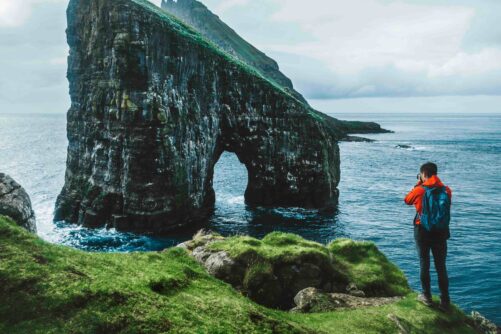
Official Boat Tour & Hiking to Drangarnir Sea Arch
Tour startsSørvágurDuration1.5 hours -
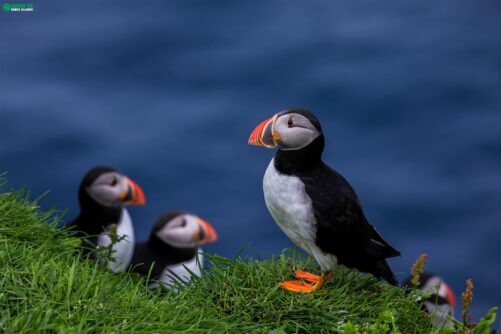
Refreshing 7 Day Summer Package of the Faroe Islands
Tour startsTórshavnDuration7 days -

Spectacular 7 Hour Vágar Island Day Tour
Tour startsTórshavnDuration7 hours -
Vágar Island | The Photography Tour
Tour startsTórshavnDuration7 hours -
The 4 Day Photography Tour | Faroe Islands Highlights
Tour startsTórshavnDuration4 days -
6-Day Discover Faroe Islands Package
Tour startsVágar AirportDuration6 days


Other interesting Attractions


