


Blankskáli
Jump to chapter
Published: 26/10/2026
Reading time: 4 minutes
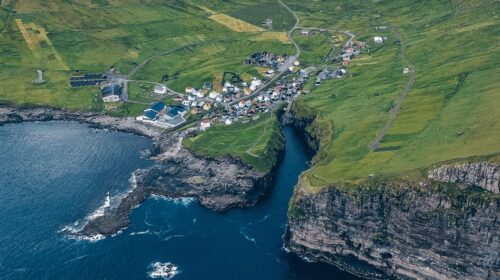
Blankskáli is a ghost town on the west coast of Kalsoy Island. The settlement was hit by an avalanche in 1809. After that, the villagers moved to the east side of Kalsoy Island and founded Syðradalur.
This was the only settlement on the steep west side of Kalsoy Island. Today, only scattered remains hint at the life that once filled this remote corner of the mountainous island.

The History of Blankskáli
The exact origins of Blankskáli are not known. The earliest written record is from 1584, but it is possible that it existed long before that. In 1801, the population peaked at 29 people.
On Sunday, April 9th 1809, an avalanche hit the village. Luckily, it slowed down just before reaching the houses and split into two streams that passed on either side of the village. No people were killed, but one dog died, and several barns and other buildings were destroyed.
Fearing another avalanche, the residents decided to move. They spent the first few months in the village of Leirvík, across the water on Eysturoy Island. Later that year, they began taking apart their houses and rebuilding them in a valley on the southeast side of Kalsoy Island with more gentle terrain, founding the village of Syðradalur.
Families Moving Away
Moving was not easy and took several years. The families were poor and had to keep earning a living while rebuilding their homes. Transporting the building materials between the two locations took a lot of time and effort, and could only be done by boat on good weather days.
The first house in the new settlement was completed in 1812. By 1816, all families had moved, leaving Blankskáli deserted. Today, a memorial stone stands among the ruins to commemorate the old settlement.
Even after the village was abandoned, the former residents continued to use its fields to grow crops until the early 20th century. Today, a farmer from Syðradalur uses the land for his sheep.

Getting to Blankskáli
The only way to get to Blankskáli is on foot. Two routes start from Syðradalur on the east side of Kalsoy Island. To get to the island, you have to catch a ferry from Klaksvík on Borðoy Island to Syðradalur on Kalsoy Island. The ferry docks just below Syðradalur. You will be on the ferry from Klaksvík on Borðoy Island for 20 minutes before disembarking on Kalsoy Island.
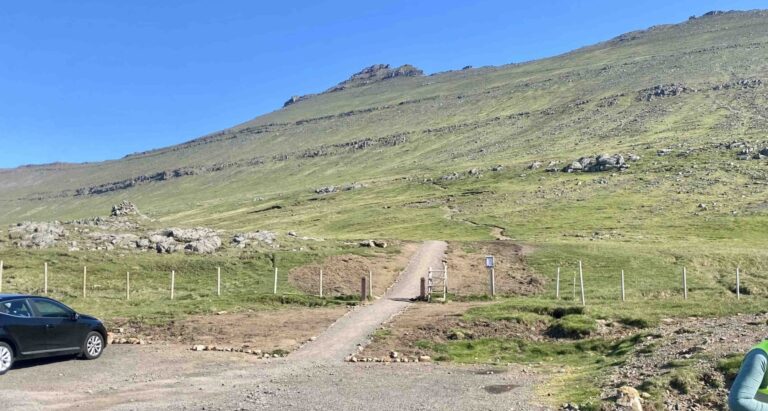
One of the hiking routes follows the coastline, the other crosses a mountain pass between Bótnstindur (744 m / 2.440 ft) and Grístindur (700 m / 2.297 ft). Neither of them are marked. For a round-trip hike, follow this route description:
From Syðradalur, head toward the lowest point of the mountain pass behind the village. The climb is steep, so watch your step. From the top of the pass, you will see Blankskáli on your left. Look for a patch of green land scattered with ruins. The way down to the village is steep, so take your time.
Once there, you can explore the ruins before following sheep tracks along the coast back to Syðradalur. This part of the hike is not steep, but the ground is uneven and slanted. You will spend much of the time walking sideways, which can be hard on your ankles.
The full loop is 8 km (5 miles) and takes 4-5 hours. It is a moderately difficult hike, mainly because of the steep climb and descent. If you prefer an easier route, you can follow the coastal path in both directions instead. This adds around 2 km (1.24 miles) to the hike.

More travel blogs

Popular tours
-
Northern Islands | The Photography Tour
Tour startsTórshavnDuration7 hours -
Personal Photographer Tour
Tour startsTórshavnDuration6 hours -
Vibrant 4 Hour Viðoy Island Tour
Tour startsTórshavnDuration4 hours -
Streymoy Island | The Photography Tour
Tour startsTórshavnDuration7 hours -
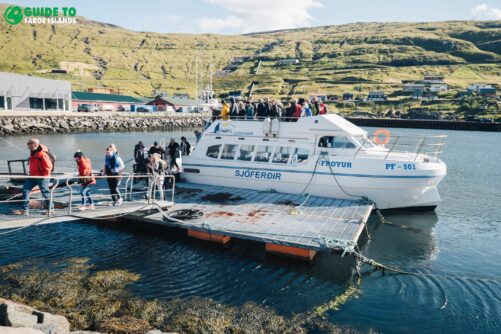
Spectacular 8 Hour Streymoy Island Day Tour
Tour startsTórshavnDuration8 hours -
Thrilling 7 Hour TROM Sightseeing Tour
Tour startsTórshavnDuration7 hours -
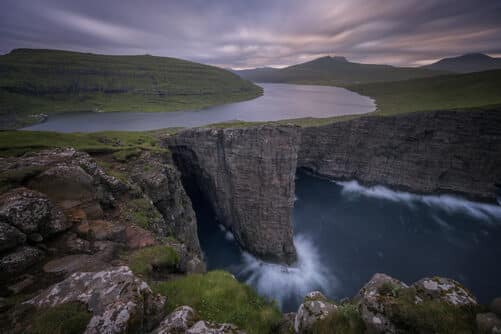
Essential 6 Hour Highlights of Vágar Island
Tour startsTórshavnDuration6 hours -
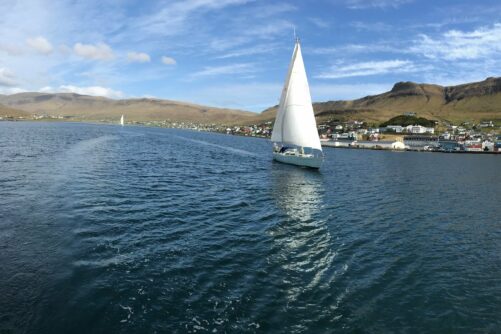
Private 4 Hour Sailboat Tour to Nólsoy Island
Tour startsTórshavnDuration4 hours -
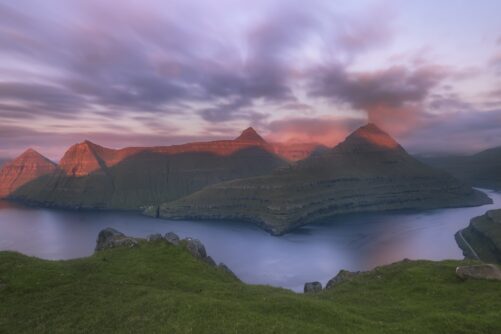
Unforgettable 7 Day Summer Package of Faroe Islands
Tour startsVágar AirportDuration7 days -
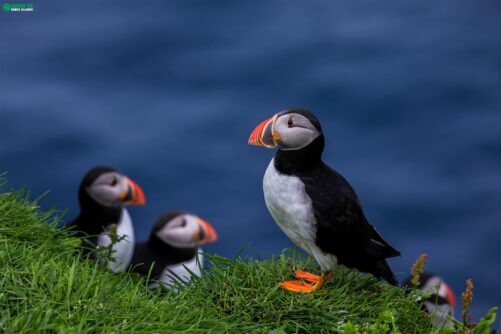
Refreshing 7 Day Summer Package of the Faroe Islands
Tour startsTórshavnDuration7 days -

Unforgettable 10 Day Self Drive Tour of Faroe Islands with Top Attractions
Tour startsVágar AirportDuration10 days -

3 Day Summer Self-Drive | Sea Cliffs & Uncrowded Villages
Tour startsVágar AirportDuration3 days -
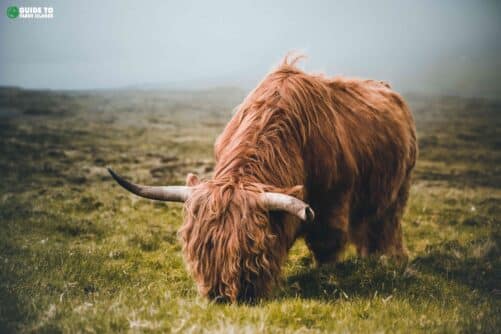
Amazing 6 Day Self Drive Tour of Faroe Islands
Tour startsVágar AirportDuration6 days -
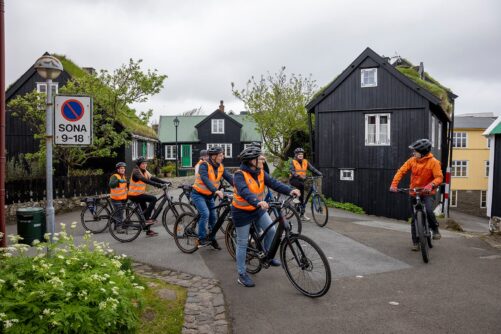
Tórshavn City E-bike Sigtseeing Tour
Tour startsTórshavnDuration2 hours -

Stunning Hvannhagi Hike on Suðuroy Island
Tour startsTórshavnDuration12 hours


Other interesting Attractions


