


Kópakonan Statue
Jump to chapter
Published: 02/06/2021
Reading time: 4 minutes
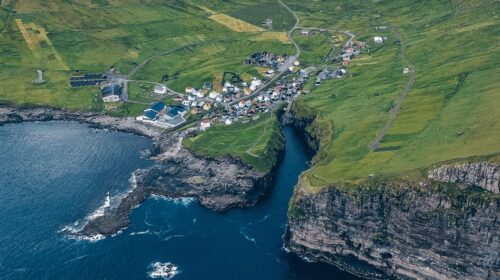
Kópakonan is a famous statue located in Mikladalur on the long and narrow Kalsoy Island in the Faroe Islands. The statue has the most magical abode on Kalsoy’s coastline and is among the main attractions on the island.
Kópakonan translates to “The Seal Woman”. The statue is a depiction of one of the best-known folk tales in the Faroe Islands. It was created by the acclaimed sculptor, Hans Pauli Olsen.
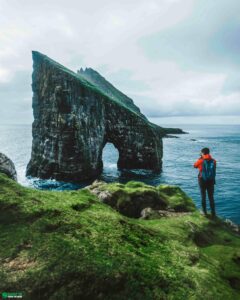
The steep Kunoy Island provides the backdrop for the dramatic setting of Kópakonan.
How to See the Kópakonan Statue
The statue of the seal woman is free to visit and open to the public all year round. First, you need to get to Kalsoy Island by taking the ferry from Klaksvík on nearby Borðoy Island.
You will disembark in Syðradalur, the southernmost village on Kalsoy Island, and then head north through the mountain tunnels. These tunnels connect the different parts of the island as steep mountains surround all its valleys. You will get to Mikladalur after passing through the third tunnel.
There are parking spaces right next to a small stream that flows through Mikladalur. The parking lot is located close to a sheer cliff drop where the water from the stream cascades down onto the black basalt floor underneath. Follow the steep staircase down to the rocky plateau by the coastline. This is where you will find the Kópakonan Statue.
Be careful when exploring the statue up close during during winter storms from November to March. This is the time of year when the ocean shows its enormous force and often covers the statue in spray. You will be just fine experiencing the statue on calm days but do watch out for slippery rocks.

The Legend of Kópakonan
And old Faroese legend tell of seals that were once human beings who had drowned themselves in the ocean. On the twelfth night of Christmas, the seals would gather along the coast, remove their seal skins and take on human form. They spent the night dancing and celebrating on land, before returning to the water before dawn.
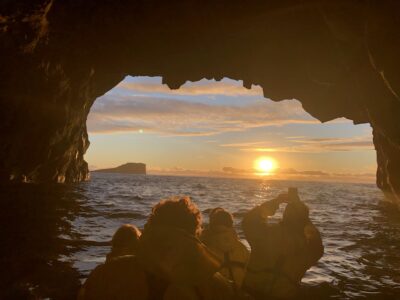
A young farmer from Mikladalur had heard stories about these mysterious gatherings and decided to see it for himself. He hid behind a rock near a seal cave south of the village and waited for the seals to arrive. As they came ashore and shed their skins, he spotted a beautiful woman among them. He decided to steal her seal skin and without it, she could not return to the ocean and had no choice but to go with him.
The farmer brought the woman home and locked her seal skin in a chest, keeping the key with him at all times. Eventually, the two married and started a family. Despite this, the woman was homesick for the sea and her former life. She often wandered down to the shore, where a large male seal would appear to visit her.
One day, while out fishing, the farmer forget to take the key with him. His wife unlocked the chest, retrieved her seal skin and escaped back into the ocean. Not long after, the farmer and the other men of Mikladalur went on a seal hunt. The night before, his former wife visited him in a dream. She pleaded with him not to harm the large seal by the cave entrance and the two young ones inside, as these were her husband and children.
The farmer paid no attention to the warning and all seals were killed. Later that evening, the people of Mikladalur gathered in the village for a feast. When the seal woman arrived and found the remains of her family on the plates, she became furious. She placed a terrible curse on the people of Mikladalur and all their descendants. She said that so many men from the village would perish at sea that the dead would be able to join hands and form a dancing circle around the entire island of Kalsoy.
Over the centuries, Mikladalur has experienced numerous fatal accidents at sea, although nobody known whether these events have anything to do with the legendary curse. Another part of the folklore claims that people born with webbed toes are descendants of the seal woman through the children she had with the farmer.
More travel blogs

Popular tours
-
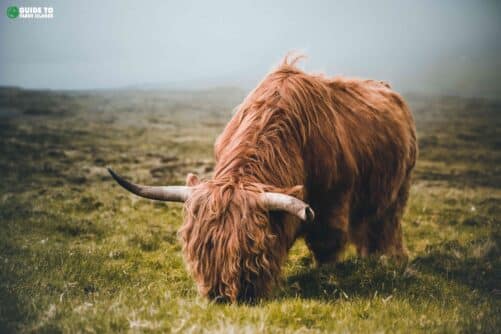
Amazing 6 Day Self Drive Tour of Faroe Islands
Tour startsVágar AirportDuration6 days -
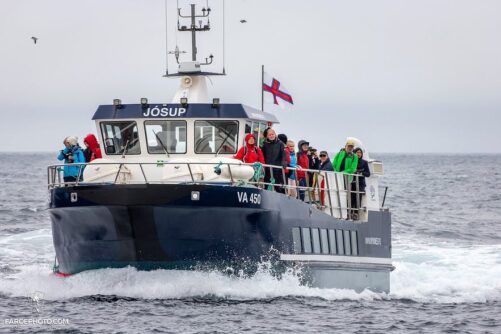
Puffin Boat to Mykines Island
Tour startsSørvágurDuration45 minutes -
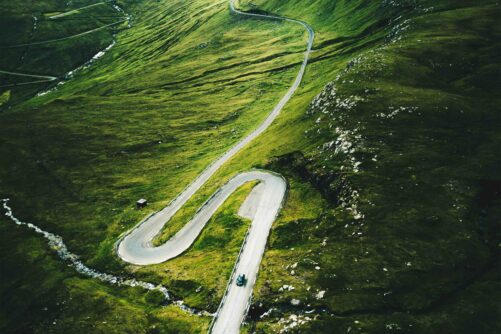
Private Tour With Filmmaker as Guide
Tour startsTórshavnDuration6 hours -
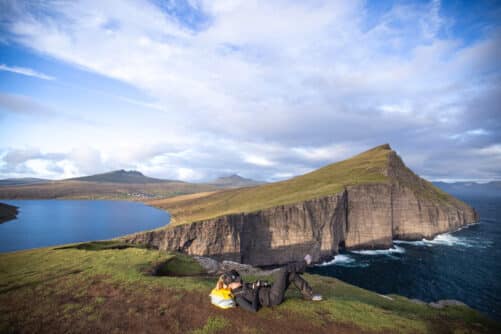
Vágar Island | The Photography Tour
Tour startsTórshavnDuration7 hours -
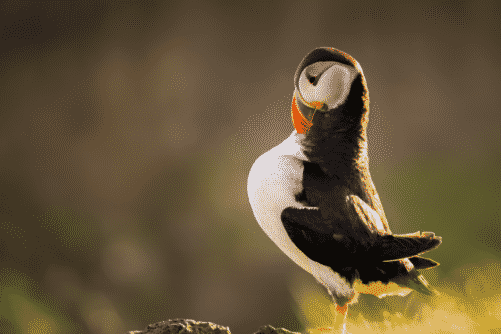
Best 8 Hour Private Mykines Day Tour
Tour startsTórshavnDuration8 hours -
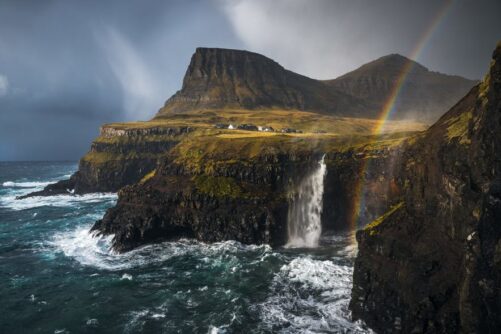
The Pick Me Up Tour | Faroe Islands
Tour startsDuration4 hours -
New Tour
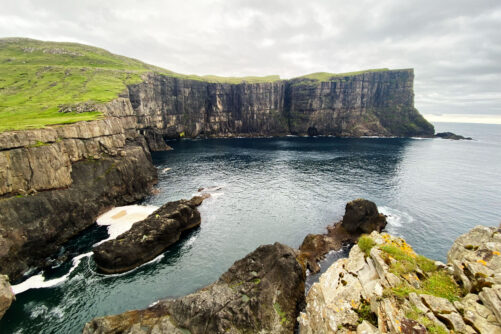
Suðuroy Island | The Photography Tour
Tour startsTórshavnDuration9 hours -
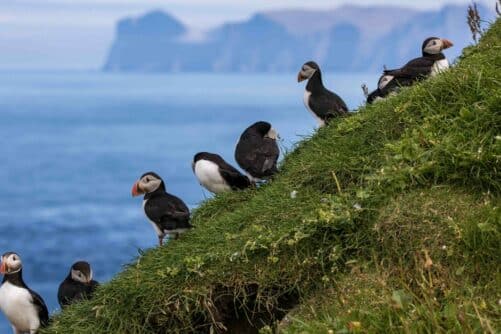
Striking 8 Day Summer Package of the Faroe Islands with Top Attractions
Tour startsVágar AirportDuration8 days -

Private Cruise Shore Excursion in Faroe Islands
Tour startsRunavík TórshavnDuration6 hours -
Immersive 6 Hour Vestmanna Sea Cliffs & Viking Village Tour
Tour startsTórshavnDuration6 hours -
Private 4 Hour Sailboat Tour to Nólsoy Island
Tour startsTórshavnDuration4 hours -

Private Airport Transfer to/from Vagar Airport
Tour startsDuration0.5 hour -
Refreshing 6 Day Summer Package of the Faroe Islands
Tour startsTórshavnDuration6 days -

Spectacular 7 Hour Vágar Island Day Tour
Tour startsTórshavnDuration7 hours -
Refreshing 7 Day Summer Package of the Faroe Islands
Tour startsTórshavnDuration7 days


Other interesting Attractions


