


Runavík
Jump to chapter
Published: 02/06/2021
Reading time: 3 minutes
Runavík is the largest settlement on Eysturoy Island in the breathtaking Faroe Islands. It is nestled along the longest fjord in the archipelago, Skálafjørður Fjord, and surrounded by low mountains.
Runavík is known for its important port, which is frequented by cruise ships during the summer. It is also used by the North Sea oil industry, fishing companies and as a main port for freight to and from Europe.

Cruise Ships Dock in Runavík
Each summer, lots of cruise ships visit Runavík for a day or more. Both smaller and larger vessels dock at the port, which is located right in the city centre.
Stunning landscapes and modern services around the corner make this port a favourite among visiting cruise liners. When disembarking a cruise ship in Runavík, you are only minutes away from the main street.
Passengers arriving with cruise ships to Runavík have a variety of day tours available for exploring the archipelago. The Faroe Islands cruise shore excursion is a favourite among cruise visitors. It gives a great overview of the main attractions within a single day. Simply type in Runavík as your pickup location and a guide will pick you up at the port.
Besides cruise ships, the harbour area is also home to the archipelago’s largest business, the Faroe Islands salmon company, Bakkafrost. Salmon is one of the main produce in the local food culture.
Centrally Located Town
Runavík lies on the eastern side of the Skálafjørður Fjord. The underwater tunnel, Eysturoyartunnilin, connects Runavík to Strendur on the western side of the fjord, and to the capital, Tórshavn, on Streymoy Island.
Thanks to the sub-sea tunnel and a great road network, you have a lot of nature attractions available within an hour’s drive from Runavík. For example, the lovely village of Funningur, located at the foot of the highest mountain in the Faroe Islands, Slættaratindur, is less than a 30-minute drive away.
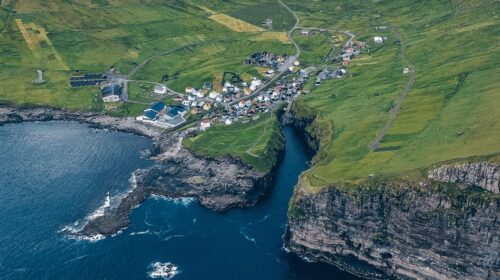
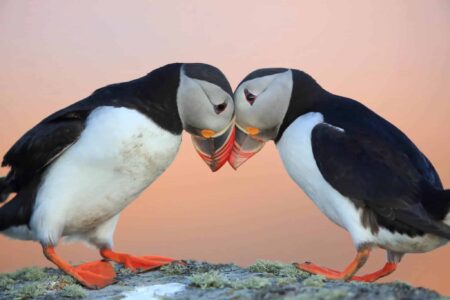
Add another 10 minutes of driving and you will be in the amazing village of Gjógv, known for its impressive sea gorge. You might even spot some puffins here from May until late August.

Walk around Lake Toftavatn
One of the highlights of visiting Runavík is its proximity to Lake Toftavatn. This is a beautiful natural area just outside town and among the prettiest lakes in the Faroe Islands. The lake attracts birdlife and offers a peaceful escape into the distinctive heathland scenery found in this part of Eysturoy Island.
The lake lies in the countryside between Runavík and the neighbouring village of Toftir. You can access the northern section of the lake from Runavík, where a marked path provides an easy circular walking route. The short excursion is a great addition to a visit to the town, particularly if you want to spend some time outdoors without going on a demanding hike.
The loop walk is 2 kilometres (1.24 miles) and takes around one hour to complete.


More travel blogs

Popular tours
-

The Private Day Tour | Faroe Islands
Tour startsTórshavnDuration7 hours -
Vibrant 4 Hour Viðoy Island Tour
Tour startsTórshavnDuration4 hours -
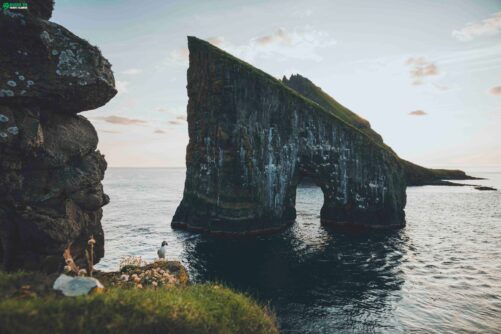
Classic Drangarnir Sea Arch Boat Tour
Tour startsSørvágurDuration1 Hour -
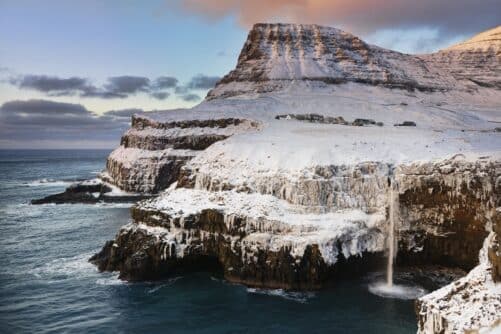
5 Day Winter Package | Tour the Faroe Islands
Tour startsVágar AirportDuration5 days -
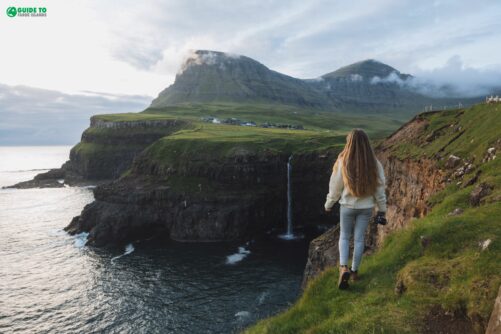
Incredible 3 Day Faroe Islands Highlights Package
Tour startsTórshavnDuration3 days -

3 Day Summer Self-Drive | Sea Cliffs & Uncrowded Villages
Tour startsVágar AirportDuration3 days -

Stunning Hvannhagi Hike on Suðuroy Island
Tour startsTórshavnDuration12 hours -
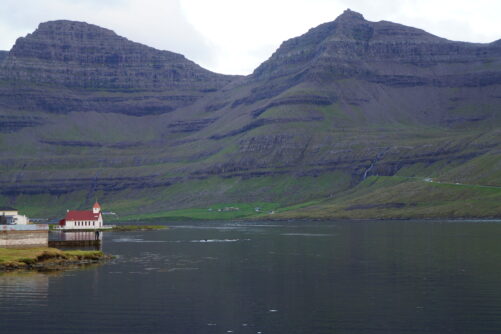
Mountainous 6 Hour Northern Islands Tour
Tour startsTórshavnDuration6 hours -
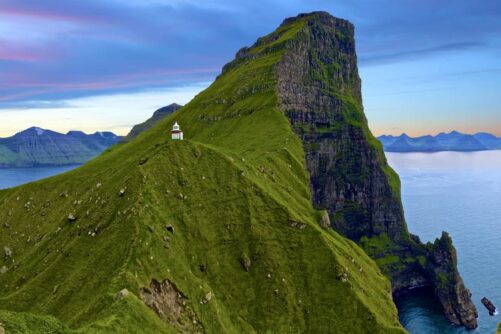
Faroe Islands 4 Day Package: Lighthouses, Lakes and Sea Cliffs
Tour startsTórshavnDuration4 days -
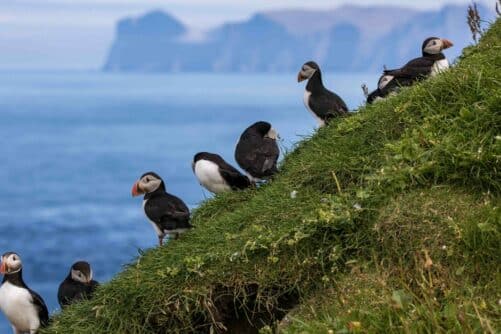
Striking 8 Day Summer Package of the Faroe Islands with Top Attractions
Tour startsVágar AirportDuration8 days -
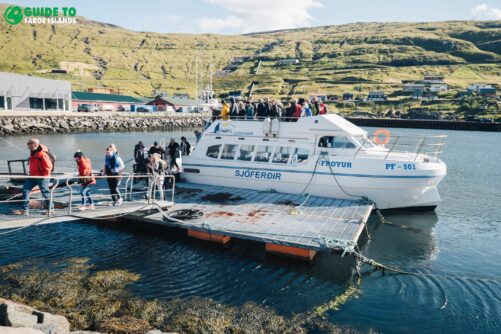
Spectacular 8 Hour Streymoy Island Day Tour
Tour startsTórshavnDuration8 hours -
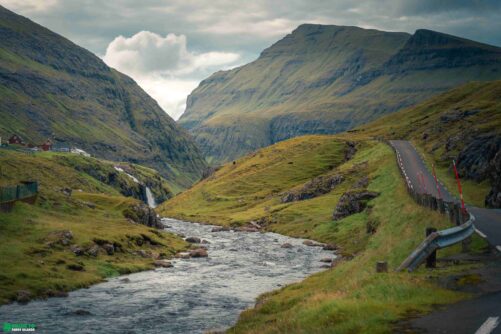
Perfect 5-Day Vacation Package in Faroe Islands
Tour startsVágar AirportDuration5 days -
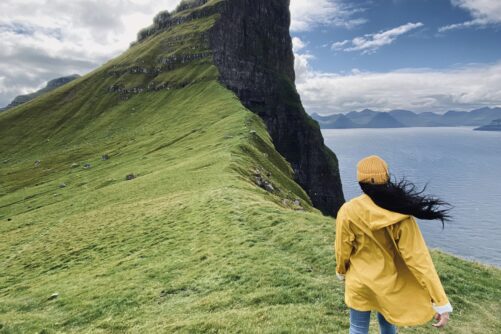
Kalsoy Island | The Photography Tour
Tour startsTórshavnDuration7 hours -
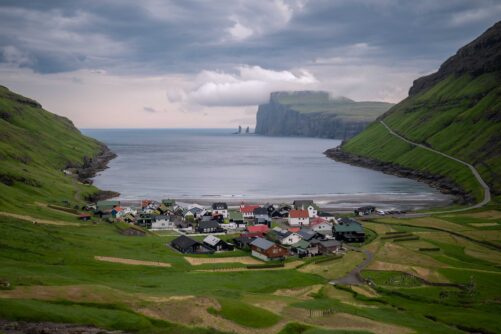
Top-rated Faroe Islands Highlights Tour
Tour startsTórshavnDuration6 hours -
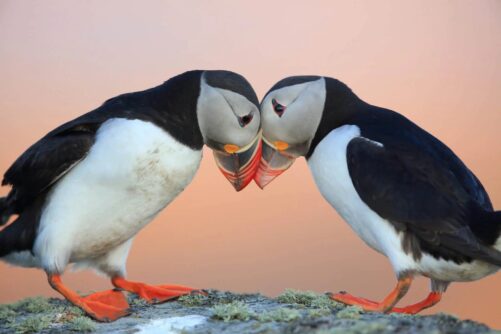
Mykines Shuttle Boat
Tour startsSørvágurDuration4 hours


Other interesting Attractions


