
23 Surprising Facts about the Faroe Islands
Jump to chapter
Published: 09/01/2026
Reading time: 16 minutes
Looking for facts about the Faroe Islands? What is special about the island group? Truth be told, this list could go on and on. Here are 23 Surprising Facts about the Faroe Islands worth travelling for.
- Explore a wealth of Day Tours in Faroe Islands
- Learn What to Pack for Travel in Faroe Islands
- How to see the Faroe Islands without a Car
- Browse Car Rental Deals in Faroe Islands
Located halfway between Iceland and Norway, the Faroe Islands are famed for their wild landscapes, grass-roofed houses, and wandering sheep. Photography enthusiasts love the rocky outpost for its picturesque beauty, with dramatic mountains, cliffs, cascading waterfalls, rugged coastlines. It all seems tailor-made for the lens.
There is so much to discover on these remote islands. The well-preserved Faroese culture, pristine wilderness, and wonderfully gastronomic traditions all await exploration. There are also a lot of surprises. So, for a quick selection of fascinating facts about the Faroe Islands that will trigger your curiosity and inspire your next adventure, read on.
1. No Escalator in the Faroe Islands

There is not a single escalator anywhere in the Faroe Islands. Not even in the capital Tórshavn. With mountains all around providing natural elevation, there has never been a reason for building tall buildings. Everyone gets a spectacular view from any hillside on the islands, making vertical architecture unnecessary.
This speaks to the local tradition of working with nature throughout. The lack of escalators also reflects the small-scale, pedestrian-friendly nature of towns and villages in the Faroe Islands, where everything is easily accessible on foot and the pace of life remains refreshingly unhurried.
2. No Pickpocketing

Crime, particularly pickpocketing, is virtually unheard of in the Faroe Islands. As locals often joke, where would a thief run if they got busted on an island in the middle of the North Atlantic Ocean? The tight-knit community means everyone knows everyone, making criminal activity nearly impossible to get away with. There is a single prison in the archipelago. Oh, the appealing views from the Mjørkadalur Prison could potentially make it tempting to put your fingers on objects belonging to others. But, again, it never happens.
As a traveller, you are surrounded by a remarkable safety and trust throughout the archipelago. Visitors can walk anywhere at any time of day or night without concern. Locals even routinely leave their homes and cars unlocked.
3. No Security at Prime Minister’s Office in Tórshavn

The islands are super safe and the community is built on trust, which applies to all parts of society, including the Prime Minister’s Office. You can walk right up to the building at the Tinganes peninsula in the capital without encountering security guards, metal detectors, or barriers of any kind.
When walking the streets of Tórshavn, the Prime Minister can often be spotted going about daily business just like any other citizen. There is no bodyguard or security staff following his moves. This level of trust has deep roots in the island group. You can see this when jooining a food tour in the area or when you go for a stroll yourself in this part of Tórshavn.
4. No Motorways in the Faroe Islands

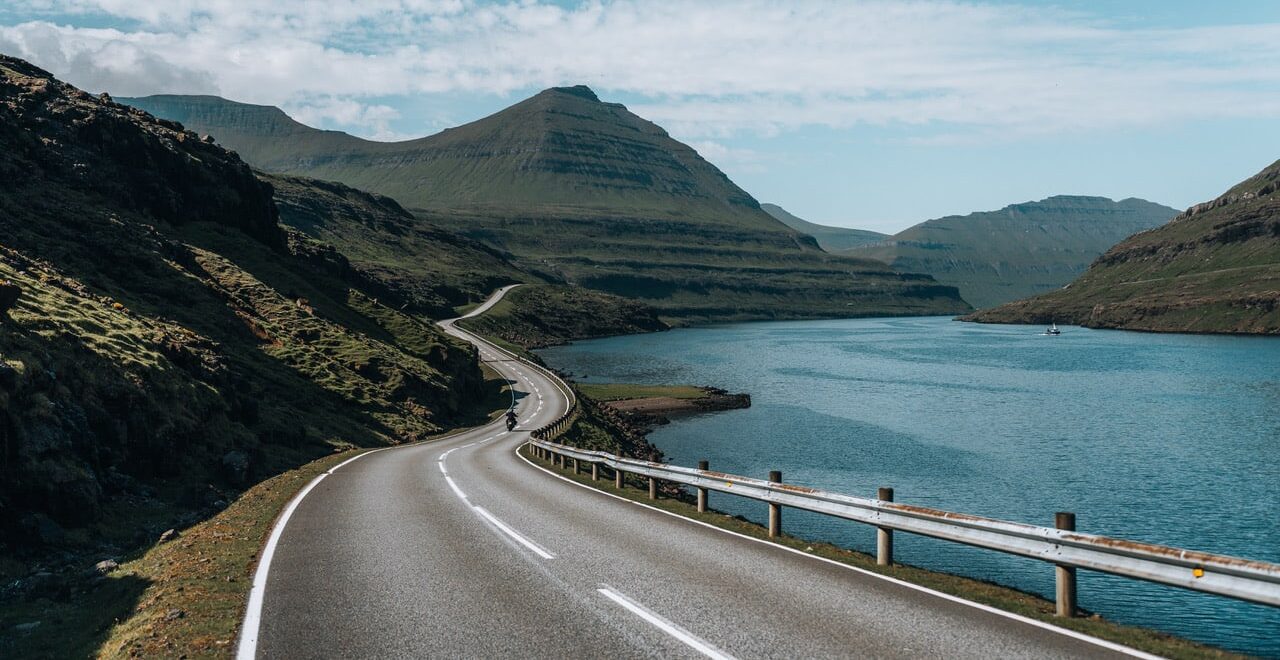
Do not expect to find any motorways in the Faroe Islands. The road authorities prioritise scenic routes over speed, with roads winding through breathtaking landscapes that demand a more leisurely pace. Speed limits are modest, encouraging travellers to slow down and appreciate the surroundings rather than rush from point to point.
You will travel at a maximum of 50 km/h (31 mph) when passing through towns and villages, while rural main roads allow speeds up to 80 km/h (50 mph). The winding coastal roads and mountain passes are destinations in themselves. This absence of motorways keep the islands free from the visual pollution of massive highway infrastructure.
5. Half of the Islands Are Inhabited by Less Than 100 People

The Faroe Islands comprise 18 islands, and half of them are home to fewer than 100 residents each. Most of the population is concentrated on Streymoy Island, the capital island where Tórshavn is located.
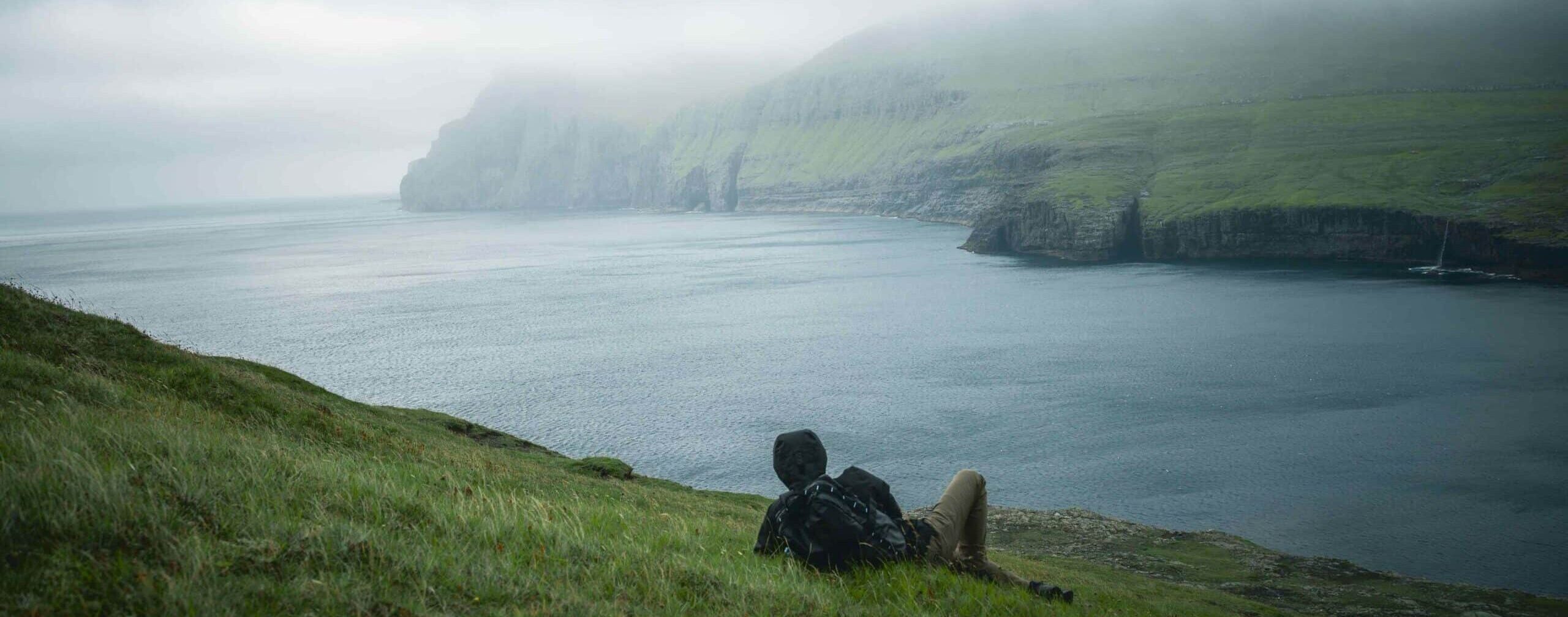
The sparse population across much of the archipelago means that nature remains largely untouched. Go out and enjoy the vast expanses of wilderness where you can hike on public mountain paths without encountering anything near mass tourism. These facts make the Faroe Islands very appealing.
6. Only 50,000 Annual Airborne Tourists

With only about 50,000 tourists arriving by air to the Faroe Islands each year, all the islands remain a genuinely non-touristy destination. When you visit, you will immediately feel the authenticity that comes with being somewhere undiscovered by mass tourism.
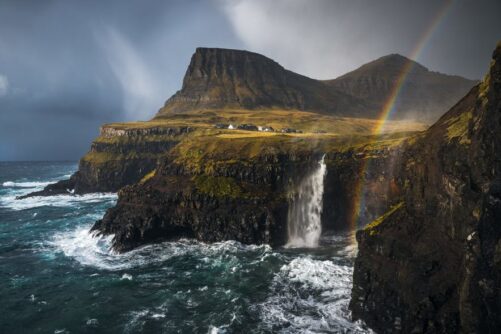
Popular attractions such as the secluded Gásadalur settlement and Líraberg Cliff rarely feel crowded, and you will often have stunning viewpoints entirely to yourself. This low visitor number also means the local culture remains intact and unspoiled.
7. Grass-Roofed Houses in All Settlements

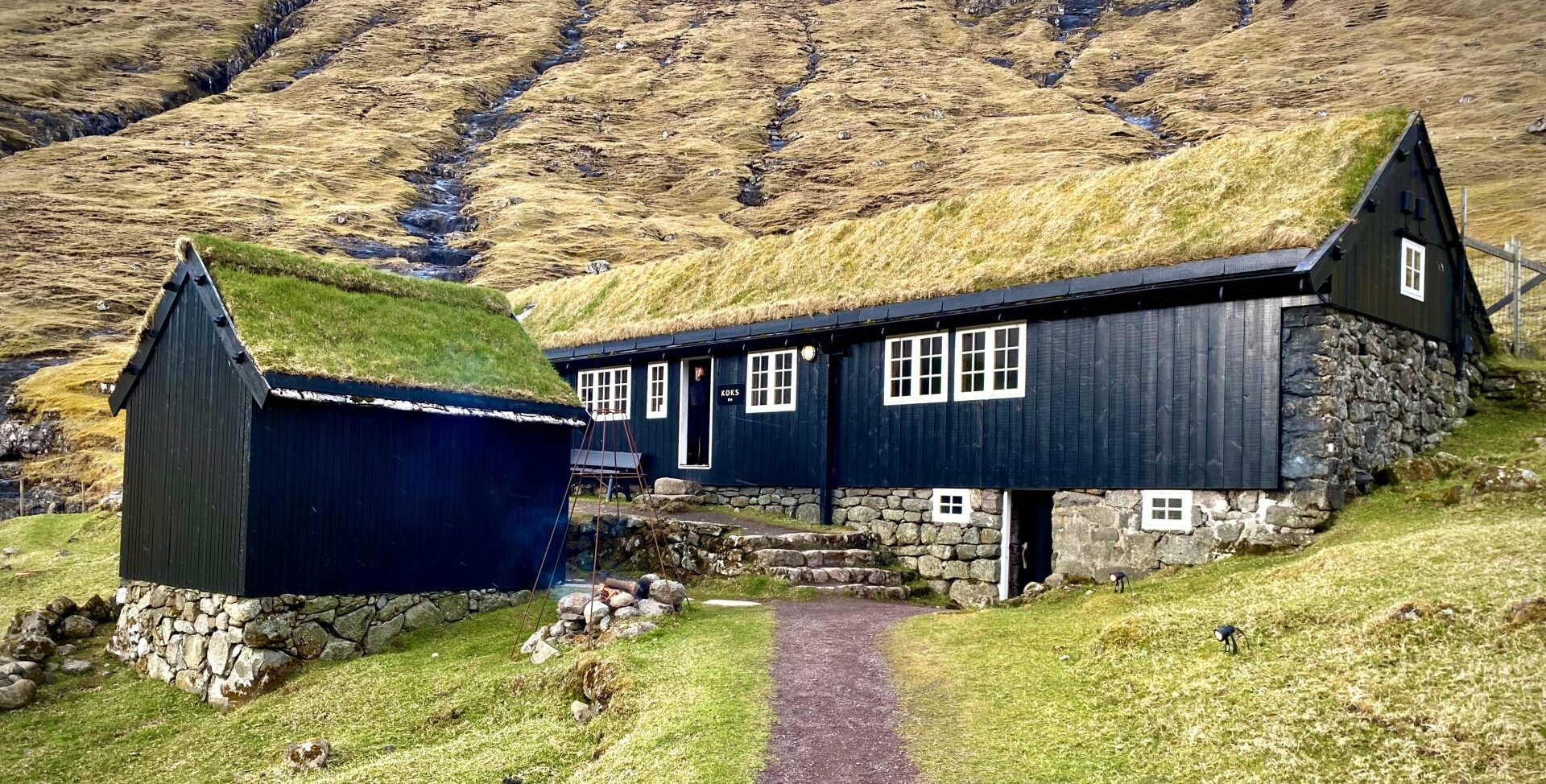
Take a look at photos from the Faroe Islands and you will notice that there are a lot of sod-roofed houses. It is really like that and not only a marketing image but a living tradition.
Even in the more urban areas of Tórshavn, you will find streets where grass grows on roofs on purpose. The cultural centre in the capital, the Nordic House is covered with turf and some goes for hotels in Tórshavn and many othr buildings. These traditional turf roofs provide excellent insulation against the harsh North Atlantic weather. Maintaining these grass roofs is seen as both a practical choice and an aestetic one, with some homeowners even keeping sheep to naturally “mow” their roofs.
8. Sheep Roam Freely and Even on Roads

The Faroe Islands means “Sheep Islands” in Old Norse, and this is something you will see with your own eyes all around the archipelago. Sheep outnumber humans and roam freely across the islands. The woolly four legged residents can even wander onto roads.
When on a road trip in the Faroe Islands, be prepared to share the road with sheep and drive accordingly. The sheep are hardy creatures, adapted to the harsh climate and steep terrain, and they play a central role in the local culture. Their wool produces the famous Faroese sweaters, and their meat is a staple of local cuisine. Watching them graze on impossibly steep cliffsides is one of the most iconic sights of the islands.
9. Free Parking Everywhere

All towns and small settlements come with free parking, as do all the parking lots home to nature attractions. This is a welcome surprise for a lot of visitors. There is one excemption and that is at the airport but you will never park there anyway when in the island group.
Whether you are exploring the capital Tórshavn with a guide or out hiking on a secluded tour from Tjørnuvík, you can leave your car without worrying about parking meters or fees. This is one of many small touches that make travelling the Faroe Islands stress-free.
10. Use a Parking Disc at Some Parking Lots

All those renting a car will see a parking disc in the front window of their vehicle. Use this when parking in the Tórshavn city centre to avoid getting a parking ticket—simply rotate the disc to indicate the time you parked. Most travelers are not used to this system, which is common in Nordic countries.
If you see a ticket under your windshield, you have either forgotten that there was a time limit or you have returned to the car after the limit expired. Parking enforcement does check regularly in downtown Tórshavn. Time limits are clearly posted and typically range from one to three hours, giving you plenty of time to explore while ensuring parking availability for others. It’s a simple, effective system once you understand it.
11. Same Time-Zone as London

Take a look at the Faroe Islands on a map. Just a 2-hour flight north of London is where the Faroe Islands are situated and sharing the same time zone (GMT/UTC).
Despite being in the same time zone as London, the daylight hours are dramatically different due to their northern latitude. Summer brings nearly endless daylight with the sun barely setting, while winter days are short but magical.
12. No Traffic Jams

Thanks to the small number of inhabitants (merely 55,000 people) and low number of travellers visiting annually, traffic jams simply do not exist here. Even in Tórshavn during rush hour, traffic flows smoothly and waits are minimal.
The low population means that nature is extremely well-preserved, with minimal human impact on the environment. Moreover, the absence of time consuming traffic lines allows flexibility to your itinerary as you do not need to worry about traffic delays.
13. No Nasty Insects

Whether inside your hotel room or outside in the great outdoors, the Faroe Islands are remarkably insect-free. You will not encounter mosquitoes, ticks, poisonous spiders, or other biting insects.
The North Atlantic climate simply does not support populations of troublesome insects. Lucky you! Leave windows open if you like without screens, sit outside at dusk without being devoured, and sleep peacefully without buzzing interruptions. For outdoor enthusiasts and those who typically suffer from insect bites, this is truly paradise.
14. Underwater Tunnels and Causeways Link 80% of the Land Area

An impressive 80% of the Faroe Islands’ land area is connected through an extensive network of quality roads. Causeways and a total of 4 underwater tunnels, along with many more mountain tunnels, make island-hopping remarkably easy.
These tunnels beneath the North Atlantic and through solid rock connect parts of the archipelago once more isolated and in some cases accessible only by boat. The tunnels have made it super easy to explore and drive in the Faroe Islands.
15. Mobile Reception Everywhere

Mobile reception reaches everywhere in the Faroe Islands, even on remote mountain tops and beneath the seabed in the underwater tunnels. The infrastructure is super modern.
You can post photos from cliff edges, make calls from hiking trails, and stay connected even in the most isolated locations. The reliable connectivity makes navigation easy, as you can access maps and information wherever you are. It also provides an important safety net for hikers and outdoor enthusiasts.
16. Never More Than 15 Passenger Flights Arriving/Departing Daily

Still an under-the-radar travel destination, the daily number of passenger flights to and from the Faroe Islands is very limited. There are never more than 15 arrivals per day. This gives you a stress-free experience at Vágar Airport where there are never any crowds to be found.
Check-in is quick, security lines are short, and baggage claim is efficient. The small airport terminal has a manageable feel and it feels very relaxing too. You can arrive just an hour before your outbound flight without stress and be on your way within minutes of landing.
17. More Waterfalls Than Settlements

Waterfalls find their way down the mountains all over the place throughout the Faroe Islands. The cascades outnumber human settlements scattered across the archipelago. There are just more than 100 inhabited places in the island group.
Most of them are gentle streams trickling down grassy mountainsides. Other waterfalls are famous attractions such as Fossá Waterfall and Múlafossur Waterfall.
18. More Annual Days with Rain Than Without

The Faroe Islands see rain more days than not throughout the year. No worries, though. Showers are usually only there for a short period, like for minutes or so, before passing through. Driving along Kaldbaksfjørður Fjord in rain is remarkable with countless streams finding their way down the surrounding mountains.
Days are mostly dry, but most will see rain at one point or another. This pattern of brief showers means you rarely experience all-day rain that see plans wash away. Instead, you will likely encounter multiple weather types in a single day, with rain, sun, fog, and wind cycling through in rapid succession. Faroe Islanders have a saying: “If you don’t like the weather, wait five minutes.”
19. Top-Notch Roads

Just as jaw-dropping the landscapes of the Faroe Islands are, just as good are the roads. Actually, the network of roads is excellent and maintained in perfect condition, which comes as a surprise to many visitors expecting rough tracks through such remote terrain.
The roads are smooth, well-marked, and done to handle the challenging topography. Even routes to the most remote places such as Dalur on Sandoy Island and Funningur on Eysturoy Island are in good condition. The quality of the road network makes self-drive tours accessible to everyone. You can confidently navigate the entire archipelago in a standard rental car, reaching everything safely and comfortably.
20. Everyone Speaks Fluent English

It might come as a surprising fact that in a far-flung destination with few annual visitors, virtually everyone speaks English flawlessly. From young children to elderly residents, English proficiency is remarkably high throughout the islands.
This is partly due to the excellent education system in the Faroe Islands where language learning plays a key role. Living within a small population also means that you need to communicate with the outside world. As a visitor, you will have no trouble asking for directions, ordering in restaurants, or having conversations with locals about Faroese culture and history.
21. Only 20 Minutes Away from a Pharmacy

You are never more than 20 minutes away from a pharmacy. Even small towns have shops with pharmaceutical products, ensuring medical supplies and medications are always within reach.
This accessibility provides peace of mind for travelers, especially those with chronic conditions or families with young children. The healthcare system is modern and efficient, and pharmacies are well-stocked, especially in th emost populous areas. Apotek is the local word for pharmacy.
22. Volcanic Islands with No Active Volcanoes

The Faroe Islands are volcanic in origin, but it has been 54 million years since the last active volcano erupted. While that is a long time ago, the dramatic formations formed by ancient volcanic activity are visible on every corner of the archipelago.
Basalt cliffs and stepped mountainsides tell the geological story of the islands’ fiery birth. Towering sea stacks, sheer cliffs, and rugged peaks tell the story of how it all began for the Faroe Islands.
23. Just More Than 1,000 Hotel Rooms in the Faroe Islands

The very limited number of hotel rooms—just over 1,000 across the entire archipelago—means that you should book accommodation well in advance, especially during the peak summer months. Book directly on the hotels’ websites for the best rates and availability. You will find most hotel rooms in Tórshavn.
For those looking for vacation packages, these are available through Guide to Faroe Islands and other local operators. You have both summer packages and winter packages to choose from, each offering extraordinary experiences suited to the season. Go for a fully guided experience around the island group with expert local guides, or do it yourself on a self-drive package that gives you the freedom to explore at your own pace.
The limited accommodation actually works in the islands’ favor, preventing overtourism and maintaining the authentic character of the destination. Many visitors also stay in Airbnb properties.
In The Know Facts from Guide to Faroe Islands
These are 23 surprising facts about the Faroe Islands that will come in handy before you arrive in this remarkable archipelago. Whether you are drawn by the dramatic landscapes and pristine nature, or simply the peace of an undiscovered destination, the Faroe Islands are something else.
Have you already desided to visit the Faroe Islands then browse the widest selection of guided tours right away. For those in need of more details, take a look at why the Faroe Islands are worth visiting.

More articles
Popular tours
-
Outstanding 7 Hour “See It All” Faroe Islands Tour
Tour startsTórshavnDuration7 hours -
Streymoy Island | The Photography Tour
Tour startsTórshavnDuration7 hours -

Eysturoy Island | The Photography Tour
Tour startsTórshavnDuration7 hours -
Spectacular 12 Hour Suðuroy Island Day Tour
Tour startsTórshavnDuration12 hours -
The Pick Me Up Tour | Faroe Islands
Tour startsDuration4 hours -
Unbelievable 6 Hour ‘Floating Lake’ Tour
Tour startsTórshavnDuration6 hours -
Puffin Boat to Mykines Island
Tour startsSørvágurDuration45 minutes -

Direct 45 Minutes Taxi Transfer from Tórshavn to Vágar Airport
Tour startsTórshavnDuration45 minutes -

Refreshing 3 Hour Boat Tour including Fishing
Tour startsKaldbaksfjørður FjordDuration3 hours -
Historic 6 Hour WWll Tour of the Faroe Islands
Tour startsTórshavnDuration6 hours -
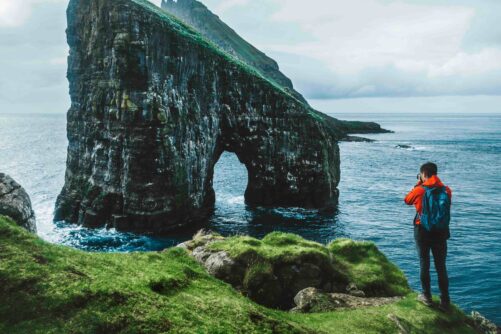
Official 2 Hour Boat Tour & Hiking to Drangarnir Sea Arch
Tour startsSørvágurDuration2 hours -
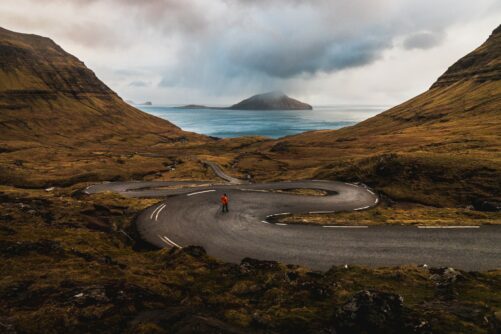
Norðradalsskarð, Sornfelli & Kirkjubøur | Private VIP Tour
Tour startsTórshavnDuration2 hours -

Classic 6 Day Summer Package of the Faroe Islands
Tour startsTórshavnDuration6 days -

From Tórshavn: Sunset Sailboat Cruise
Tour startsTórshavnDuration4 hours -

Unforgettable 10 Day Self Drive Tour of Faroe Islands with Top Attractions
Tour startsVágar AirportDuration10 days


Other interesting articles