

Vágar Island
Jump to chapter
Published: 03/06/2021
Reading time: 4 minutes
Vágar Island is the westernmost of the largest islands in the Faroe Islands. The island is like a ‘Miniature Faroe Islands’ due to the wealth of attractions and natural wonders found here.
Vágar Island is usually the first place visitors come to when arriving in the Faroe Islands. The only airport in the archipelago is located on Vágar. But don’t make the mistake of leaving without exploring the island – it is so much more than just an airport stop!
What to See on Vágar Island
The island of Vágar is home to many of the most popular sights in the Faroe islands. Among these are the 313-metre (1027 feet) high rock formation Trøllkonufingur just outside the village of Sandavágur; the rock pillar Dunnesdrangar west of the airport; and Múlafossur Waterfall in the small village of Gásadalur. When in Gásadalur, you can see Mount Árnafjall, which is the highest mountain on Vágar Island peaking at 722 metres (2369 feet) above sea level.
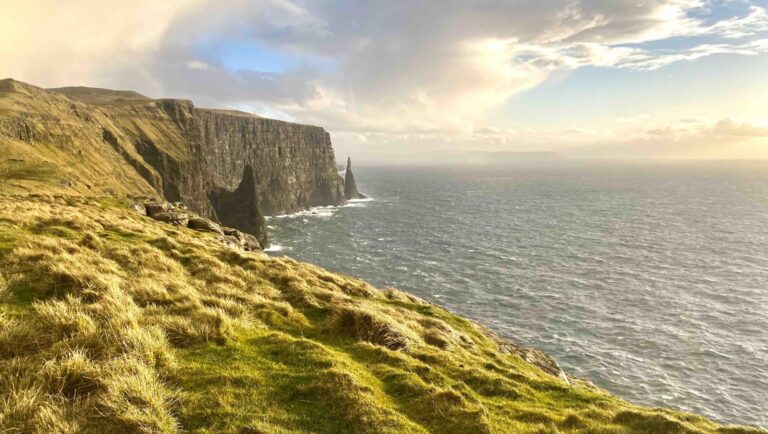
On this island, you can also experience the sheer Trælanípa Cliff, from where you will see the “lake above the ocean” optical illusion. Right next to the basalt promontory, you can see Bøsdalafossur Waterfall, which flows into the North Atlantic Ocean from the largest lake in the Faroe Islands, Lake Leitisvatn.
Trail Admission Fee: Please note that there is a 200 DKK fee per person to enter the trail where you start the hike to Trælanípa Cliff. You can pay with card or cash at the café by the trailhead. This price does not include a guide.

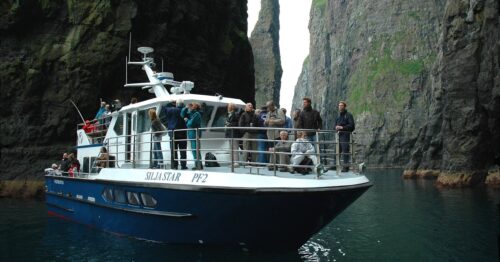
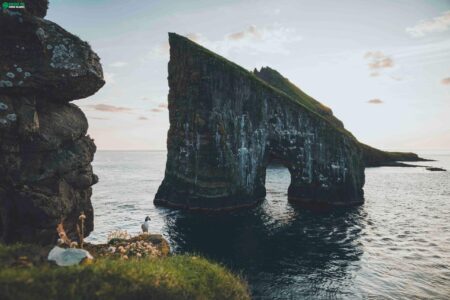
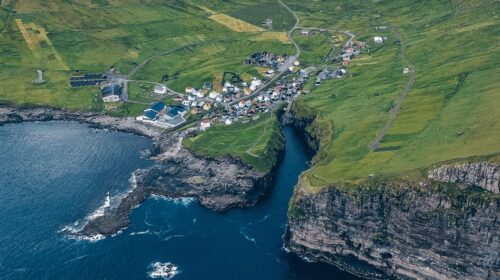
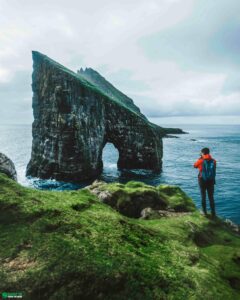
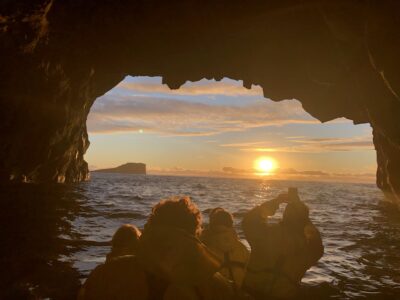
The village of Bøur comes with gorgeous views and is a favourite amongst travellers. From Bøur, you can see the free-standing Drangarnir Sea Arch, as well as the breathtaking Tindhólmur Islet with its many peaks. For closer looks at the sea stacks and islet, book the Drangarnir Boat Tour departing from Sørvágur and heading out of the Sørvágsfjørður Fjord to the many nearby nature attractions.
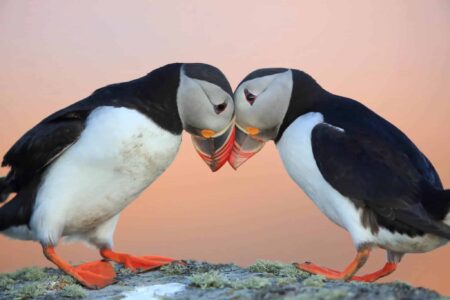
From the village of Sørvágur, you can also catch a ferry during the summer to Mykines Island. The place is known for having the largest puffin colony in the Faroe Islands.

Sod-roof houses
Vágar Island is home to a lot of houses covered with grass roofs. There are probably more houses in the Faroe Islands with turf roofs than anywhere else in the world.
Arguably the best place to see a lovely collection of buildings with sod on the roofs is in Bøur. You might even spot sheep on the roofs every now and then!

Underwater Tunnel between Vágar Island and Streymoy Island
An underwater tunnel links the airport island to the neighbouring Streymoy Island, where you will find the capital, Tórshavn. The tunnel is 4940 metres (3 miles) long.
Like all underwater tunnels in the Faroe Islands, the Vágatunnilin tunnel has two lanes. The tunnel makes it easy to get to and from the airport, and the same goes for exploring the many incredible nature attractions on the island.

Vágar Island on a Map
You can see Vágar Island on the map of the Faroe Islands located as the most westerly island of the main islands in the archipelago. Only the small island of Mykines lies more west.


More travel blogs


Popular tours
-
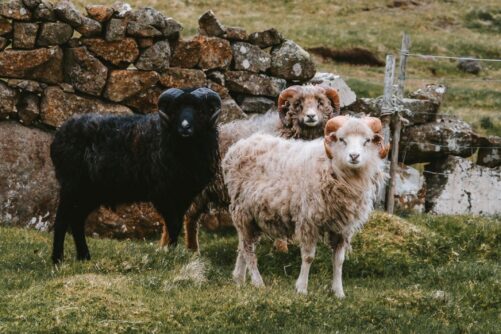
Spellbinding 5 Day Summer Vacation Package of the Faroe Islands
Tour startsTórshavnDuration5 days -

Unforgettable 10 Day Self Drive Tour of Faroe Islands with Top Attractions
Tour startsVágar AirportDuration10 days -
James Bond Highlights
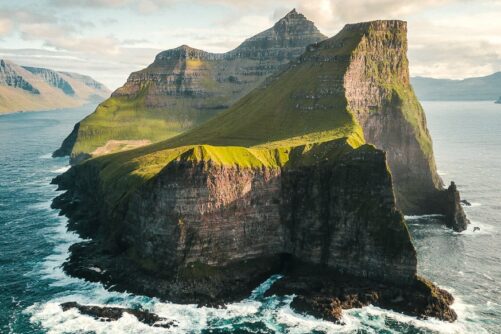
Spectacular 7 Hour Kallur Lighthouse Day Tour
Tour startsTórshavnDuration7 hours -
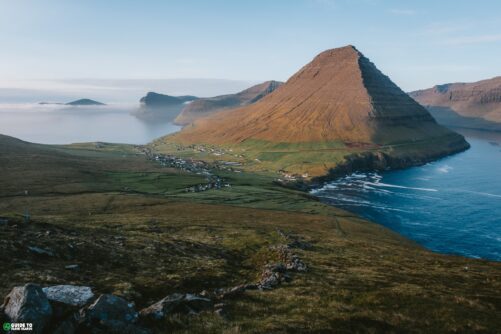
Majestic 7 Hour Tour to the Northern Islands
Tour startsTórshavnDuration7 hours -

Refreshing 3 Hour Boat Tour including Fishing
Tour startsKaldbaksfjørður FjordDuration3 hours -
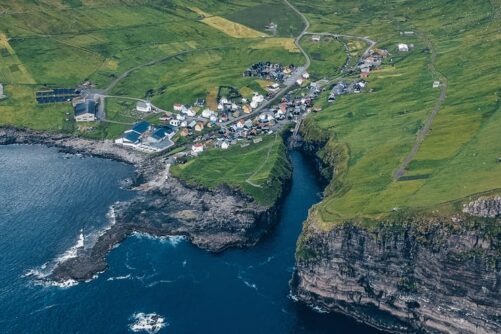
Outstanding 7 Hour “See It All” Faroe Islands Tour
Tour startsTórshavnDuration7 hours -
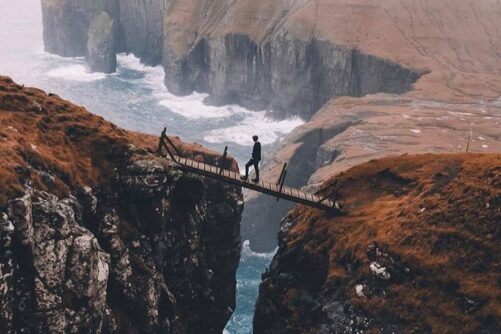
Thrilling 4 Hour Ásmundarstakkur & Rituskor Tour
Tour startsHvalbaDuration4 hours -
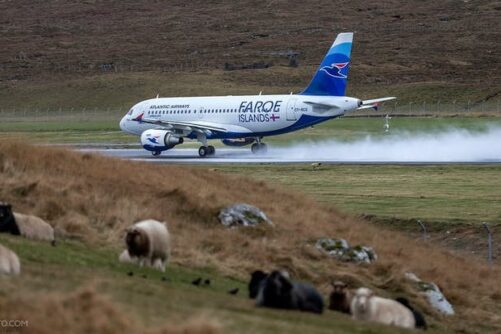
Private Airport Transfer to/from Vagar Airport
Tour startsDuration0.5 hour -
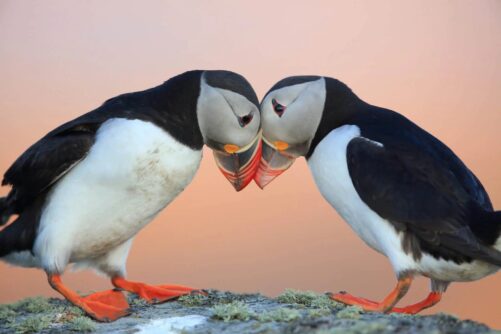
Mykines Shuttle Boat
Tour startsSørvágurDuration4 hours -
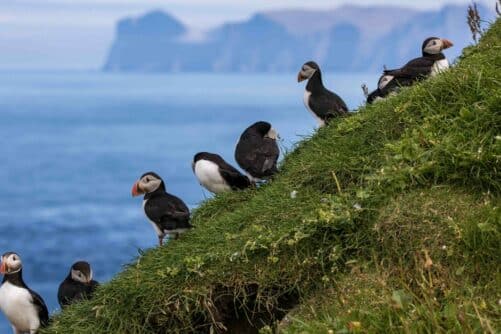
Striking 8 Day Summer Package of the Faroe Islands with Top Attractions
Tour startsVágar AirportDuration8 days -
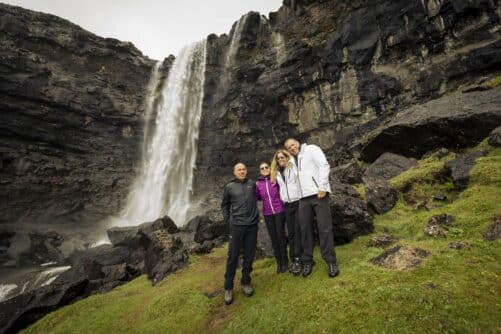
Personal Photographer Tour
Tour startsTórshavnDuration6 hours -
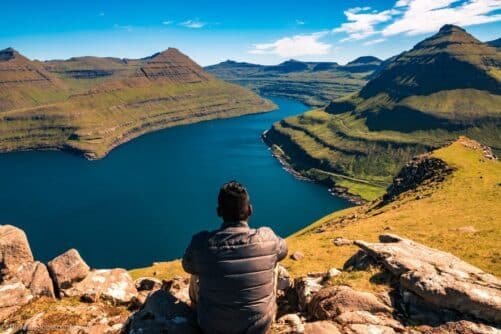
Spectacular 7 Hour Eysturoy Island Day Tour
Tour startsTórshavnDuration7 hours -

Quick 45 Minutes Airport Transfer from Vagar Airport to Tórshavn
Tour startsVágar AirportDuration45 minutes -
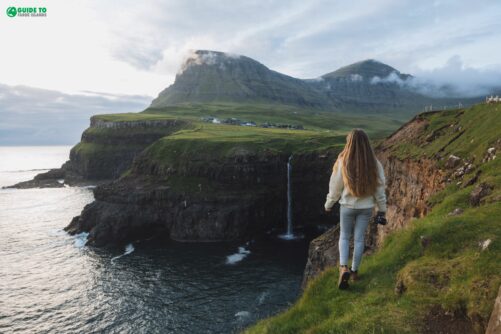
Incredible 3 Day Faroe Islands Highlights Package
Tour startsTórshavnDuration3 days -

Refreshing 6 Day Summer Package of the Faroe Islands
Tour startsTórshavnDuration6 days


Other interesting Attractions