


2 Days in the Faroe Islands: The Ultimate Self-Drive Itinerary
Jump to chapter
Published: 14/02/2026
Reading time: 20 minutes
Can you truly experience the magic of the Faroe Islands in just 48 hours? How do you go about a well-planned 2-day itinerary in the Faroe Islands? Can I get to iconic attractions with a very limited time in the island group? Continue reading and get all the details.
- See the Widest Selection of Day Tours in the Faroe Islands
- Check out Faroe Islands Boat Tours ready to book
- Discover Hiking in the Faroe Islands
- Get Tip on Driving in the Faroe Islands
This guide maximises every moment of your short visit, ensuring you see the very best of what makes the Faroe Islands one of Europe’s most spectacular destinations. Your time in the island group is very limited so these travel information and every part of the itinerary is carefully curated in order for you to get the most out of your time.
Planning Your 2-Day Adventure

Before diving into the day-by-day itinerary, here is what you need to know. The Faroe Islands are remarkably well-connected by tunnels. There are even four impressive underwater tunnels.
This itinerary will let you drive through three of these underwater passages to cover significant ground in a short time. Your base will be Tórshavn, the service packed capital, perfectly positioned for exploring multiple islands.
Essential Pre-Trip Tips
Car Rental: This itinerary requires a rental car. Book your rental car months in advance, especially if visiting between April and October. Pick up your vehicle at Vágar Airport upon arrival. The Faroe Islands’ road network is excellent, with only about 600 kilometres (373 miles) of roads, making it virtually impossible to get lost.
Hotel: Stay in Tórshavn for both nights. The capital’s central location makes it the perfect base for exploring multiple islands within this tight timeframe. Book hotels well in advance, particularly for summer visits with less than 1000 hotel rooms in Tórshavn in total.
Restaurant Reservations: If visiting during peak season (April-October), reserve tables at restaurants weeks ahead. During the quieter months (November-March), pre-booking is less critical.
What to Pack: The weather in the Faroe Islands changes rapidly, so dress in layers and bring waterproof clothing. Some quality boots are always recommendable too.
Day 1: Vágar Island to Tórshavn

If possible, arrive in the morning hours. Your adventure begins the moment you land at Vágar Airport. After collecting your rental car, make Vágar Island your first destination. Great news, you are already on the airport island!
Drive directly to Gásadalur, home to the iconic Múlafossur Waterfall. This is easily the most photographed spot in the Faroe Islands, and for good reason. The waterfall plunges 30 metres (100 feet) from a cliff edge directly into the North Atlantic Ocean, with the tiny village’s grass-roofed houses providing a fairytale backdrop.
Stop 1: Múlafossur Waterfall in Gásadalur

The short 2-minute walk from the parking area in Gásadalur to the waterfall viewpoint is suitable for all fitness levels. Until 2004, Gásadalur could only be reached by hiking over the mountain. Now, a tunnel makes this remote village accessible, though it retains its end-of-the-world charm.
Insider Tip: The waterfall looks spectacular in all weather conditions. Rain actually enhances the drama, while wind can bend the cascade sideways in a mesmerising display.
Stop 2: Bøur Village

Next, head to the charming coastal settlement of Bøur, just a 5-minute drive from Gásadalur. This picturesque hamlet has four traditional turf-roofed cottages with stunning ocean views.
From Bøur, you will enjoy spectacular vistas of the spiky Tindhólmur Islet and the premium attractoin Drangarnir Sea Arch rising from the waves. More on the sea arch below. Walk through the narrow Bøur pathways between the old houses, visit outside the small church beside the stream, and stroll to the peaceful beach. You might even spot sheep grazing on the grass roofs!
Stop 3: Drangarnir Sea Arch Boat Tour

If time allows, join the 1 Hour Drangarnir Boat Tour departing from the nearby village of Sørvágur. This boat excursion takes you close to the magnificent Drangarnir Sea Arch and provides a sensational perspective of Múlafossur Waterfall from the ocean.
During summer months (May-August), you may spot puffins along the way. Make sure to prioritise the boat tour and if the energy levels should need a boost, grab lunch at one of the local spots on Vágar Island before jumping on the boat to Drangarnir Sea Arch.
Afternoon: Drive to Tórshavn

Make your way through the Vágatunnilin underwater tunnel connecting Vágar Island to Streymoy Island. This 4.9-kilometer (3-mile) tunnel runs 105 metres (344 feet) beneath the seabed at its lowest point.
Every visitor to the Faroe Islands drives through it, as it is the only route from the airport. The tunnel is spacious and in perfect condition.
Check-in at Your Tórshavn Hotel

Driving from Vágar Island to the capital takes just 45 minutes. Arrive in Tórshavn and check into your hotel. While there are more than a handful of hotels in the capital, we highly recommend:
- Hotel Hafnia – Located in the city centre with newly renovated boutique rooms, just steps from Tinganes and the restaurant district. Everything is close when staying here.
- Hotel Føroyar – Perched on a hillside outside the capital with free-ranging sheep outside your window and access to the spectacular Ress Spa. The spa features thermal pools, cold plunge tubs, saunas, and breathtaking ocean views. There is a bar inside the spa.
Late Afternoon: Tórshavn Walking Tour

Spend your late afternoon exploring Tórshavn, named after Tór, the Norse god of weather and strength. Join the guided Tórshavn Walking Tour for insights from a local expert, or explore independently.
The benefits of a local guide is that the guide transforms Tórshavn’s grass-roofed lanes from pretty backdrop into living story. They connect the dots between painted boats, well-preserved turf techniques, and the pride that makes this tiny capital unforgettable.
Must-See Sights in Tórshavn

Tinganes Peninsula: The historical and political heart of the Faroe Islands. Tinganes features grass-roofed government buildings dating back centuries. The Prime Minister’s office sits among these turf-covered structures. Lanes are narrow and weathered timber buildings create an atmospheric journey through time.
Reyn District: Wander through the charming Reyn area with its colourful houses. Havnar Kirkja (Tórshavn Cathedral) is located here. There are artistic touches throughout the neighborhood.
Tórshavn Marina & Skansin Fortress: Walk along the harbour front, watching fishing boats, most of them not active. Continue to Skansin Fortress and enjoy views across to Nólsoy Island.
Shopping Streets: Browse the independent boutiques in the city centre for Faroese wool products, local crafts, and souvenirs. The best shop for design clothing is Guðrun & Guðrun.
Evening: Dinner in Tórshavn

Tórshavn boasts numerous excellent restaurants serving Nordic gastronomy and traditional Faroese cuisine. Here you have just a couple of top dinner recommendations. There are many more.
Etika Sushi Bar – For exceptional sushi and Japanese cuisine, head to the centrally located Etika at Áarvegur (which translates to “the river road,” as Tórshavn’s main river runs beneath the buildings here). This is genuinely world-class sushi in the North Atlantic. The core produce here is Salmon from the Faroe Islands. There are multiple Etika locations in the Faroe Islands, but the downtown Tórshavn spot is most convenient.
Áarstova – For traditional local lamb, this grass-roofed restaurant in old houses is the place to go. Áarstova is located in downtown Tórshavn. The braised lamb shoulder with local potatoes and root vegetables is the signature dish. Heima í Havn is the neighbour district to Reyn District and adds to the atmosphere.
Remember: Pre-booking is essential during high season!
Day 2: Sandoy Island & Historic Kirkjubøur

Wake up early to maximise your second day. After breakfast, drive to Sandoy Island through the impressive Sandoyartunnilin underwater tunnel. You will emerge near the beautiful Lake Sandsvatn, one of the most picturesque lakes in the archipelago.
This underwater tunnel opened in December 2023. It is 10.8 kilometres (6.7 miles) long and reaches 155 metres (508 feet) below the seafloor at its deepest point. As you drive through, watch for the art installations by local artist Edward Fuglø depicting history and culture in the Faroe Islands.
Líraberg Cliff near Skopun

Head to the village of Skopun and embark on the hike to Líraberg Cliff. This relatively easy out-and-back trail takes you along a single-track road with gentle landscapes, quite different from the steep mountains elsewhere in the archipelago.
The reward? Wind-swept views from rugged sea cliffs, with waves crashing against the rocks far below. The entire hike takes about 1.5 hours, giving you time to soak in the wild coastal beauty.
Dalur Village

Drive to the secluded settlement of Dalur, hidden in a valley and surrounded by towering mountains. This peaceful hamlet has a cluster of colourful houses.
The tranquility here is profound which is partly due to very few people living in the settlement. Not that many travellers find their way to Dalur. Make sure to stop the car and step out of it and go for a short stroll around the houses and down to the beach to get the mood of the hamlet under your skin.
Skarvanes

Continue to Skarvanes, once a ghost town but now inhabited again. This tiny hamlet, Sandoy Islands smallest, dates centuries back. It was the birthplace of Dírikur av Skarvanesi, the first artist in the Faroe Islands that we know about. You can see his artworks in Tórshavn, more about that later.
From Skarvanes, you will have excellent views of nearby Skúvoy Island and the coastline. The settlement’s isolation and coastal setting create an atmosphere of timelessness.
Return to Streymoy Island & Visit Kirkjubøur
Drive back through the Sandoyartunnilin tunnel to Streymoy Island, experiencing the underwater artwork once more from a different perspective. Now, visit Kirkjubøur, the cultural and historical heart of the Faroe Islands. This ancient settlement features:
- St. Olav’s Church – Still in use after more than 900 years
- Magnus Cathedral Ruins – A never-completed medieval cathedral from the 14th century
- Roykstovan Farmhouse – One of the oldest inhabited wooden houses in the world, continuously used by the Patursson family since the 11th century
This stop provides essential context for understanding the history and national heritage of the Faroe Islands. It takes only minutes to drive from the tunnel’s mouth from Sandoy Isand to Kirkjubøur.
Velbastaður and Syðradalur
On your way back to Tórshavn, drive through the small village of Velbastaður, then take the scenic route further north to Syðradalur. You are still on Streymoy Island’s west coast and what you are about to enter is a little world of solitude.
Syðradalur is a tiny farm surrounded by the most stunning views of the ocean. The scenery is wrapped in the grassy greenery only found in the Faroe Islands. A remote valley that few visitors discover. The drive itself from Velbastaður to Syðradalur is an adventure in its own right.
Return to Tórshavn

Back in Tórshavn’s city centre, browse the small independent shops for souvenirs. The old bookstore H. N. Jacobsens Bókahandil is particularly excellent and carries “Land of Maybe,” a travel book written by an author with deep knowledge about the islands. With this book in hand, you will learn more about the culture and history.
If you dined at Áarstova on Day 1, head to Etika Sushi Bar tonight, or vice versa. Either way, you will have excellent food. For drinks in a lively atmosphere, visit The Tarv after your dinner. While known as a steakhouse with an excellent menu, you can also enjoy evening cocktails and beers at the ground floor bar. The harbour views and metropolitan interior design create a sophisticated setting.
Day 3: National Gallery & Eysturoy Island Before Departure

It is your day of departure and the last day of your 2 day itinerary in the Faroe Islands. The activities on your outbound flight day is based on an afternoon departure. In case you have a morning flight, you will need to save these things for a later visit to the islands.
Wake up early. You need as much time as possible on your final day in order to cover as many of the listed attractions below as your time allows.
The National Gallery of the Faroe Islands

Visit The National Gallery of the Faroe Islands located in the Gundadalur district next to the main sports facilities in the capital. The gallery showcases works by Mikines, the most important painter in Faroe Islands art history, along with pieces by other local artists including sculptor Hans Pauli Olsen.
The gallery provides a perfect window into how artists in the Faroe Islands interpret their homeland’s striking landscapes. Endless seascapes, mointains, windswept grasslands and everything inbetween that you have experienced firsthand over the past two days. Secure your tickets and pre-book the National Gallery of the Faroe Islands.
Under Water to Eysturoy Island

Drive through the remarkable Eysturoyartunnilin, the longest underwater tunnel network in the Faroe Islands at 11.4 kilometres (7.1 miles). The highlight while under the ocean is the world’s first underwater roundabout, illuminated with multicolored lights in an installation popularised as the “jellyfish roundabout”. It is created by artist Tróndur Patursson.
At its deepest, you will be 189 metres (613 feet) beneath the seabed. This is the most impressive tunnel in the archipelago. Thanks to the tunnel, you will shorten the travel time to some stunning nature stops before leaving the islands again.
Drive Along Funningsfjørður Fjord

Once on Eysturoy Island, head north. At one point, you will get to the scenic coastal road Funningsfjørður Fjord.
The views are spectacular, with mountains plunging into the water and the road following the shoreline. Sheep tend to roam freely on some parts of this road, just watch out for that!
Hvíthamar Vantage Point
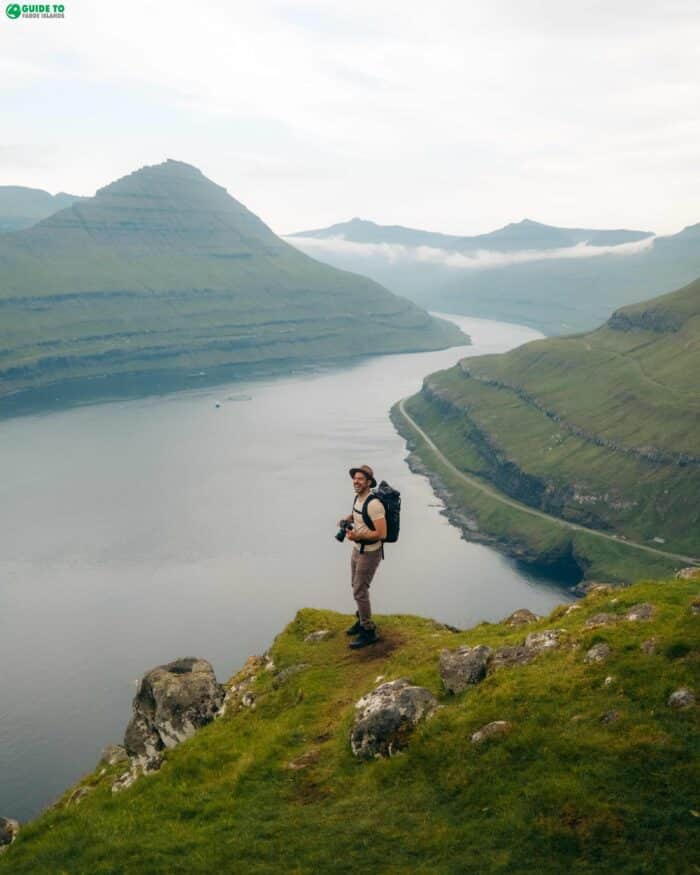
Stop at Gjáarskarð Mountain Pass for a gentle hike (some call it more of a walk than a hike) to Hvíthamar Vantage Point. This viewpoint gets you breathtaking panoramas of Funningsfjørður Fjord and its surrounding mountains.
The walk takes about 20-30 minutes round trip and requires minimal effort for maximum reward. This is a perfect outdoor activity when you have a flight to catch.
Gjógv Settlement and Sea Gorge

Arrive in Gjógv, one of the most picturesque settlements in the entire Faroe Islands. This place has a 200-metre (656-foot) long sea gorge, a natural harbour.
Walk along the gorge to its end, where the North Atlantic Ocean surges through the narrow channel. The brightly coloured houses, the peaceful valley setting, and the striking coastal location make Gjógv unforgettable.
From Gjógv, you will have excellent views of nearby Kalsoy Island, including the cliff topped with Kallur Lighthouse. For those with limited time (less than a week), viewing Kalsoy Island from Gjógv saves an entire day compared to visiting the island itself. You will see the island from Gjógv.
If visiting between May and August, you are likely to spot puffins when walking to the end of the sea gorge. These adorable seabirds nest in the cliffs here during summer months.
Risin & Kellingin Sea Stacks Viewpoint

On your way to the airport, stop at the viewpoint for Risin & Kellingin Sea Stacks near the village of Eiði. According to legend, these sea stacks are a giant and his wife who were turned to stone while trying to drag the Faroe Islands to Iceland.
There are binoculars at the viewpoint for examining these impressive rock formations more closely. The stunning scenery, with mountains and ocean combining, makes for excellent photographs.
Fossá Waterfall

While heading south along Eysturoy Island’s west coast, you will at one point pass Fossá Waterfall on neighbouring Streymoy Island. This waterfall is the archipelago’s highest at 140 metres (459 ft) in total. With limited time, just watch it from a distance as driving to it will add just more than 30 minutes of driving in total to your time spent.
You will drive from Eysturoy Island to Streymoy Island, this time crossing a short bridge. Now, head towards Lake Leynavatn next to the underwater tunnel connected to the airport island.
Return Journey to Vágar Airport

Drive back through the Vágatunnilin underwater tunnel to Vágar Island and once on the island continue directly to the airport. You will drive through two villages on Vágar Island before you get to the airport.
Return your rental car at the airport. Unlike larger airports, you only need to arrive about 1 hour before your outbound flight. The airport handles a maximum of 15 passenger flights departures daily during the busiest season in July-August, and fewer during other months, making the check-in process relaxed and efficient.
Final Stop: Faer Isles Distillery Products

After passing through security, browse the airport shop for Faer Isles Distillery products. The distillery produces exceptional gin, whisky, and other spirits using water and botanicals in the Faroe Islands.
If you had more time, a guided tour of the Faer Isles Distillery in the village of Vestmanna would have been a highlight. Save that experience for your next visit. Another reason for visiting again.
Why Your 2 Day Faroe Islands Itinerary Could See More Days

When you leave the Faroe Islands after following your 2 day itinerary, you will feel that you should have stayed longer. These islands have a way of captivating visitors with their raw beauty, welcoming people, and sense of remoteness that feels increasingly rare in our connected world.
The good news? Rest assured, the Faroe Islands will be here to welcome you back. Many visitors who come for a short visit find themselves planning a return trip before they even board their flight home. Next time, you might explore everything from Suðuroy Island in the south to Viðoy Island in the north. Yeah, and much more in between. Take a look at our 4 Day Itinerary in the Faroe Islands and get more stuff covered when visiting.
Flexibility on your 2 day Faroe Islands Itinerary
Weather can affect some activities, particularly boat tours. Build flexibility into your schedule and have backup plans. Many attractions, like waterfalls and coastal viewpoints, are spectacular in all conditions.
The Faroese saying “If you don’t like the weather, wait five minutes” exists for a reason. Rain is common (over 250 days annually). Days with rain throughout are nonexistent.
Extending Your Stay

If you can add more days to your visit, make sure to do just that. There are several daily flights to Copenhagen and frequent flights to the Faroe Islands from other European cities too. That should give you flexibility to add more days, if your time allows. Consider these options:
- Full 3-day itinerary with additional highlights
- Comprehensive 5-day road trip covering more islands
- One-week itinerary to truly explore the archipelago
For those seeking expert guidance, browse the extensive selection of day tours and vacation packages available with Guide to Faroe Islands. If you prefer not to drive, many sections of this itinerary can be covered through guided day tours departing from Tórshavn.
Ready to start planning your Faroe Islands adventure? Explore the complete range of tours and activities to enhance your visit, from boat excursions to guided hikes and cultural activities.

More articles


Popular tours
-
Thrilling 4 Hour Ásmundarstakkur & Rituskor Tour
Tour startsHvalbaDuration4 hours -
The Classic Faroe Islands Day Tour
Tour startsTórshavnDuration8 hours -
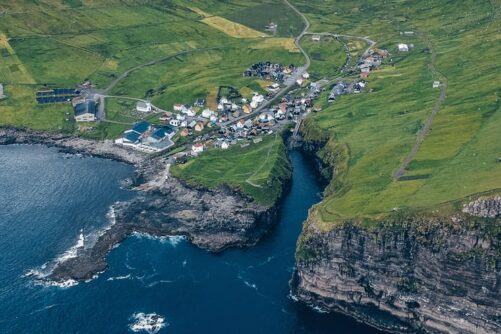
Outstanding 7 Hour “See It All” Faroe Islands Tour
Tour startsTórshavnDuration7 hours -

Unordinary 3 Hour Tour on Lake Above the Ocean
Tour startsLake LeitisvatnDuration3 hours -

From Tórshavn: Sunset Sailboat Cruise
Tour startsTórshavnDuration4 hours -

Spellbinding 5 Day Summer Vacation Package of the Faroe Islands
Tour startsTórshavnDuration5 days -
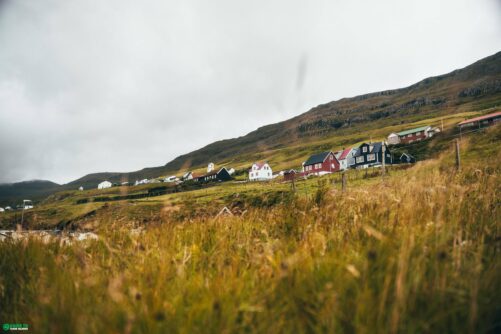
Half-Day Tour on Suðuroy Island
Tour startsSuðuroy IslandDuration4 hours -
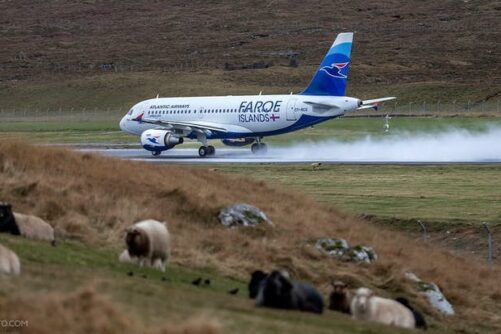
Private Airport Transfer to/from Vagar Airport
Tour startsDuration0.5 hour -
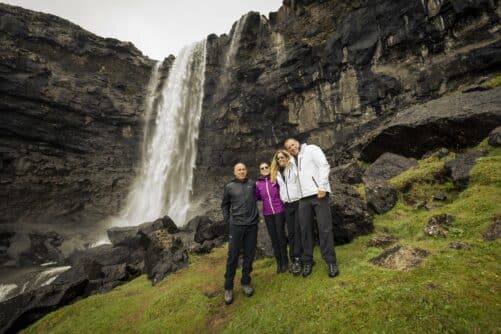
Personal Photographer Tour
Tour startsTórshavnDuration6 hours -

Quick 45 Minutes Airport Transfer from Vagar Airport to Tórshavn
Tour startsVágar AirportDuration45 minutes -
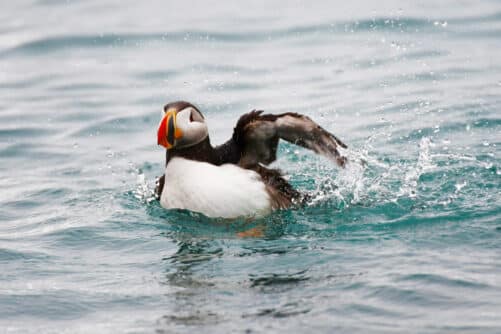
Captivating 2 Hour Nólsoy Island Sightseeing Boat Tour
Tour startsTórshavnDuration2 hours -
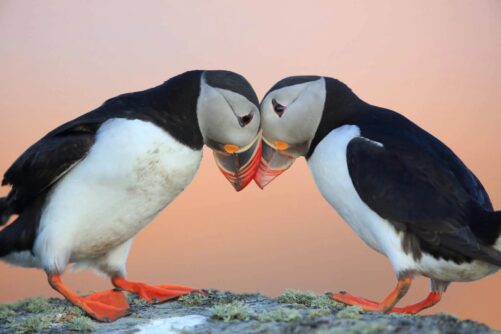
Mykines Shuttle Boat
Tour startsSørvágurDuration4 hours -
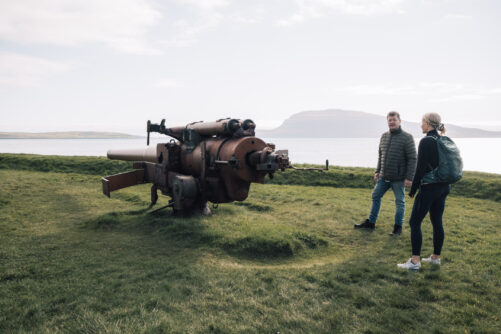
Historic 6 Hour WWll Tour of the Faroe Islands
Tour startsTórshavnDuration6 hours -
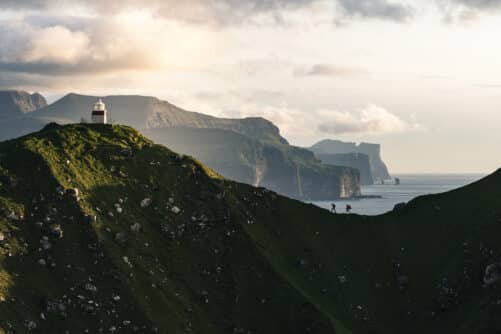
Private 7 Hour Kallur Lighthouse Experience
Tour startsTórshavnDuration7 hours -
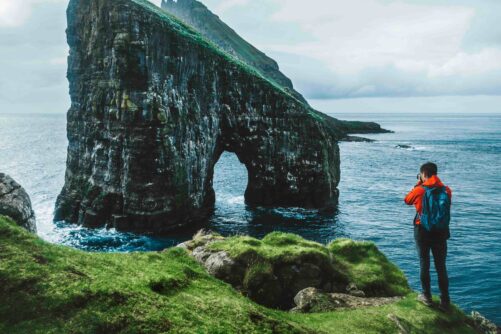
Official 2 Hour Boat Tour & Hiking to Drangarnir Sea Arch
Tour startsSørvágurDuration2 hours


Other interesting articles


