


Porkeri
Jump to chapter
Published: 02/06/2021
Reading time: 4 minutes
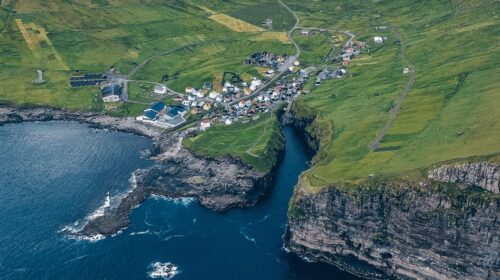
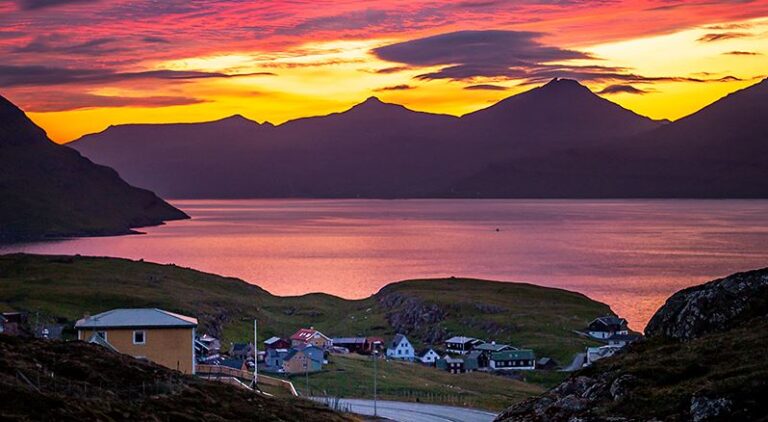
Porkeri is a village on Suðuroy Island in the nature-filled Faroe Islands. The settlement is most known for its Skipper’s Row street. It also has a small harbour as well as a black-painted wooden church with a turf roof.
The village is located on the northeastern side of the Vágsfjørður Fjord, between the villages of Vágur and Hov. The unusual name of the village is said to originate from the first Norse settlers that arrived around the year 1000, who discovered small pig bones (“purkur”) in the ground. The settlement was named Purkurgerði, which later evolved into Porkeri. Ancient ruins dating back to the 8th century, located just west of Porkeri, suggest that Celtic hermits lived there before the Norse people.
Porkeri has a long maritime history. Many of the people living there today continue to work in the modern fishing industry. In the fjord by the village, you can see a collection of salmon farming pens. Faroe Island salmon is the main export in the archipelago.

Getting to Porkeri
To reach Porkeri, take the ferry to Suðuroy Island from the capital, Tórshavn. The ferry docks at Krambatangi, 12 km (7.46 miles) north of Porkeri. From there, follow the main road south until you reach the village, which lies just below the road.
You can also take bus 700, which stops in Porkeri on request.
What to See in the Village
The most unique attraction in Porkeri is Skiparavegur, the street known as “The Skippers’ Row”. It consists of a series of nearly identical houses, built in the early 20th century, in a style that only wealthy ship captains could afford at the time. They represent a prosperous era when the village was a major maritime hub. At this time, men from Porkeri sailed to Iceland, Greenland and Newfoundland to fish, which proved very profitable.
The village church was consecrated in 1847 and is one of the traditional Faroese wooden churches with turf roofs. Its black-painted facade stands in contrast to the green landscape, whilst the turf roof blends seamlessly with the surroundings.
Opposite the church stands a former schoolhouse from 1888. It was once a navigation school where fishermen from all over the Faroe Islands came to train as skippers. Today, it houses the local museum, Porkeris Bygdasavn. The museum showcases historic everyday objects and old photographs from the village. The museum does not have set opening hours, so visits have to be arranged beforehand.
North of the museum stands a memorial with the names of the many men from Porkeri that have lost their lives at sea over the centuries.

Services in Porkeri
Porkeri is a mid-sized settlement on Suðuroy Island. Almost all services on the island are centralised in the two most populous villages, Vágur in the south and Tvøroyri in the north. You will have access to all basic services in those two villages, while the smaller settlements have very few if any services available. Porkeri is an exception to this rule with its own little grocery store and restaurant!
- Grocery store: Yes
- Café: Yes
- Public toilet: Yes
- Parking lot: Yes
Nearby attractions
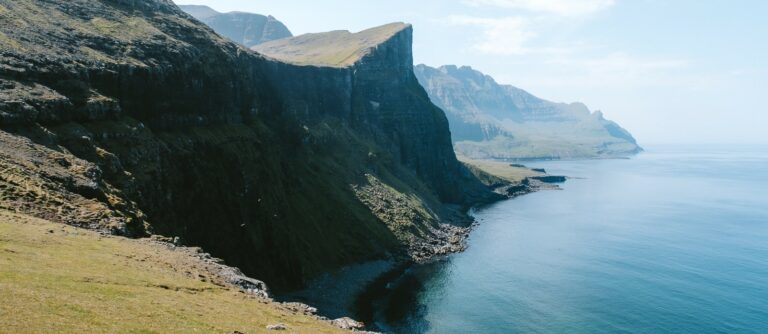
When standing at the waterfront in Porkeri, you can see a spiky mountain when looking southwest. This is the peak of Beinisvørð Promontory.
With its 470 m (1542 feet) vertical elevation from sea level, Beinisvørð Promontory is the highest cliff on Suðuroy Island. It takes only 15 minutes to drive from the settlement to the top of the mountain, where you will be rewarded with spectacular views.


More travel blogs
Popular tours
-
Refreshing 7 Day Summer Package of the Faroe Islands
Tour startsTórshavnDuration7 days -
Kirkjubøur – Sandoy Island Day Tour
Tour startsTórshavnDuration7 hours -
Private Escorted Tour of main Faroe Islands
Tour startsStreymoy IslandDuration6 hours -
4 Day Winter Package | Best of Faroe Islands
Tour startsVágar AirportDuration4 days -
New Tour
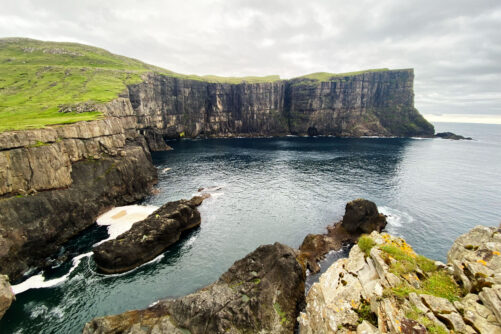
Suðuroy Island | The Photography Tour
Tour startsTórshavnDuration9 hours -
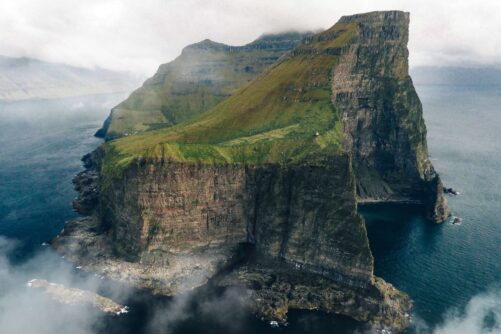
James Bond Sightseeing Tour
Tour startsKlaksvíkDuration8 hours -

Thrilling 4 Hour Ásmundarstakkur & Rituskor Tour
Tour startsHvalbaDuration4 hours -
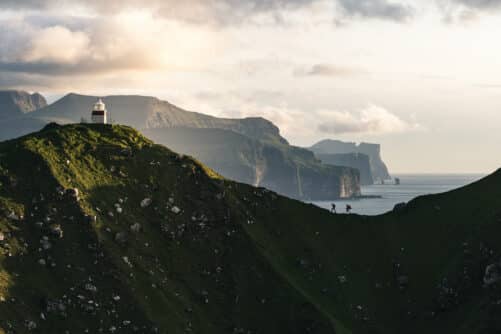
Private 7 Hour Kallur Lighthouse Experience
Tour startsTórshavnDuration7 hours -

The Private Day Tour | Faroe Islands
Tour startsTórshavnDuration7 hours -
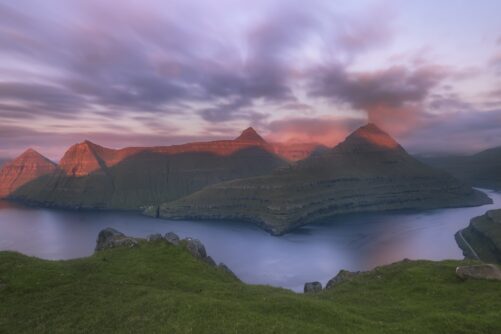
Unforgettable 7 Day Summer Package of Faroe Islands
Tour startsVágar AirportDuration7 days -
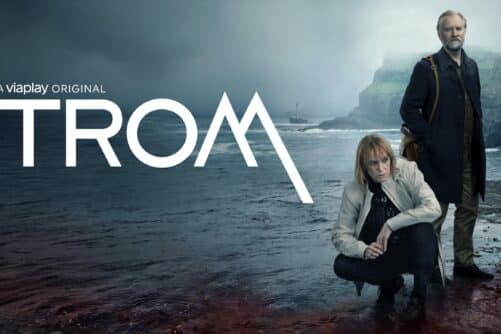
Thrilling 7 Hour TROM Sightseeing Tour
Tour startsTórshavnDuration7 hours -
Immersive 6 Hour Vestmanna Sea Cliffs & Viking Village Tour
Tour startsTórshavnDuration6 hours -
Spectacular 7 Hour Eysturoy Island Day Tour
Tour startsTórshavnDuration7 hours -
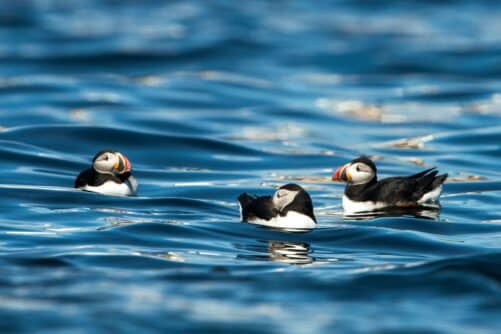
Unique Puffin Safari Boat Tour
Tour startsSørvágurDuration1.5 hours -

The Grand 10 Day Faroe Islands Tour Package
Tour startsVágar AirportDuration10 days


Other interesting Attractions


