
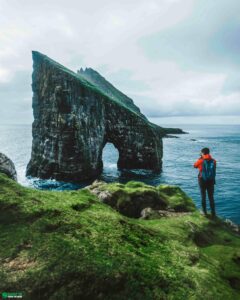
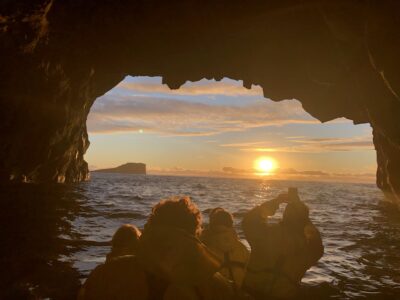


Sandvík
Jump to chapter
Published: 02/06/2021
Reading time: 3 minutes
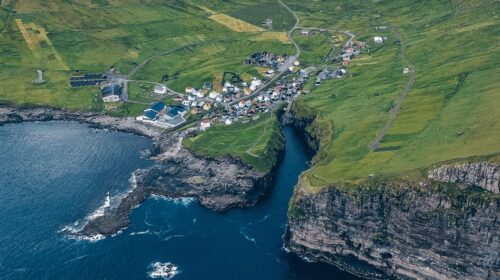
Sandvík is the northernmost settlement on Suðuroy Island in the wild Faroe Islands. From here, you will have an undisturbed view of the archipelago’s smallest island, Lítla Dímun.
Sandvík translates directly to “The Sandy Bay”. The name refers to the wide black sand beach that lies next to the village.
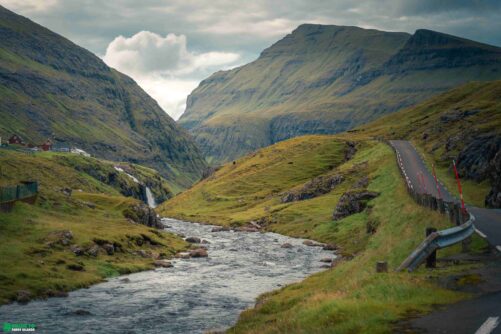
Sandvík offers visitors an incredible sense of peace and a front-row seat to the raw beauty surrounding it. Seeing the uninhabited Lítla Dímun rising from the ocean from this place is one of the highlights.
Getting to Sandvík
To get to Sandvík, you first have to sail to Suðuroy Island. There are 2-3 daily departures to the island from the capital, Tórshavn. The journey takes two hours each way.
The village lies 16 km (9.94 miles) north of Krambatangi, where the ferry docks. If arriving by car, take the road going north and follow the signs towards Sandvík. On the way, you will pass through the scenic village of Hvalba. You will also go through two tunnels. The first one is a modern two-lane tunnel from 2021, whereas the second one leading from Hvalba to Sandvík is single-track with several lay-bys for passing traffic. This tunnel opened in 1969 and is among the oldest in the Faroe Islands.
Bus 701 connects Sandvík with Krambatangi and several villages on the island. But please note that most of the departures need to be requested at the latest one hour before.

Hike to Rituskor Cleft
Sandvík is the starting point for exploring the dramatic coastal scenery of northwestern Suðuroy Island. West of the village, you will find the Ásmundarstakkur Rock Pillar, a massive and solitary sea stack rising dramatically from the ocean. From there, you can hike up the mountain to a narrow wooden bridge spanning across the sheer gorge of Rituskor.
To reach these attractions, turn left at the first road you reach when entering the village. At the end of the road, there is a small parking area in front of a gate. This is where the hike starts.
Follow the gravel road to the end to get a great view of Ásmundarstakkur and then start hiking up the mountain behind you. You will soon reach a narrow gorge. Follow the trail around the gorge and don’t forget to take in the beautiful views at the end of the trail.
From there, you will see a metal wire above you. Hike up to it and follow it toward the coast until you reach the wooden bridge. This is a very old bridge that was built for sheep, so crossing it is not recommended. However, if you do wish to cross it, it’s at your own risk. And remember, only one person at a time and take it slowly so you don’t slip.
Return the same way to get back to Sandvík.
This hike is around 5 km (3.1 miles) and takes 2-3 hours. It is considered moderate as the first part along the gravel road is easy, whereas the hike up the mountain to the wooden bridge is very steep.


More travel blogs


Popular tours
-
Classic 4 Hour Northern Isles Tour
Tour startsKlaksvíkDuration4 hours -
Eat Local on Private Guided Day Tour
Tour startsTórshavnDuration7 hours -
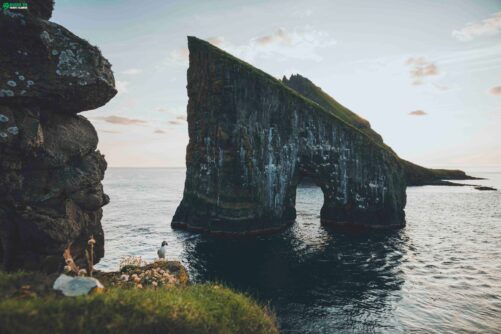
Classic Drangarnir Sea Arch Boat Tour
Tour startsSørvágurDuration1 Hour -
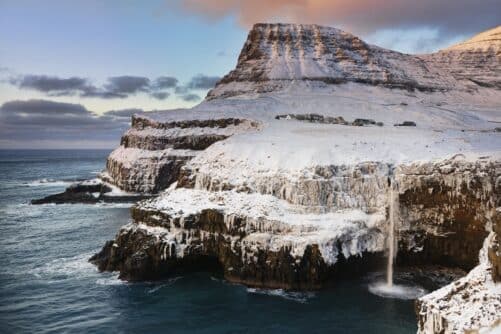
5 Day Winter Package | Tour the Faroe Islands
Tour startsVágar AirportDuration5 days -
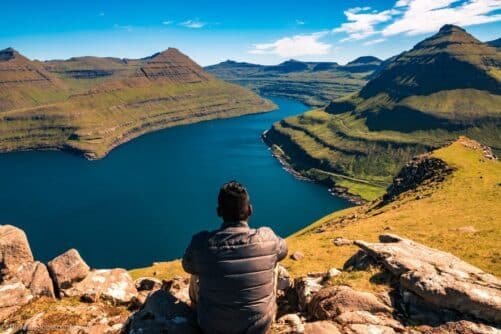
Spectacular 7 Hour Eysturoy Island Day Tour
Tour startsTórshavnDuration7 hours -

Unforgettable 10 Day Self Drive Tour of Faroe Islands with Top Attractions
Tour startsVágar AirportDuration10 days -
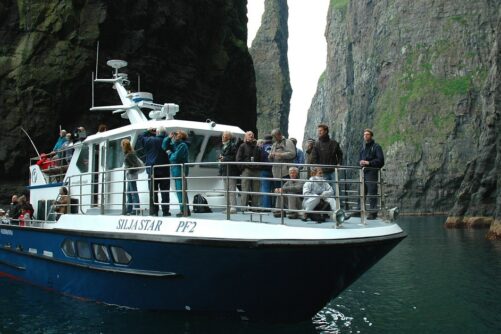
Original 1.5 Hour Vestmanna Sea Cliffs Boat Trip
Tour startsVestmannaDuration1.5 hours -
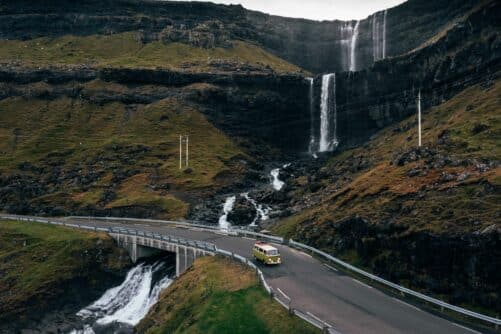
3 Waterfalls in 1 day | Múlafossur, Fossá & Saksun Waterfalls
Tour startsTórshavnDuration5 hours -

Unordinary 3 Hour Tour on Lake Above the Ocean
Tour startsLake LeitisvatnDuration3 hours -

Eysturoy Island | The Photography Tour
Tour startsTórshavnDuration7 hours -
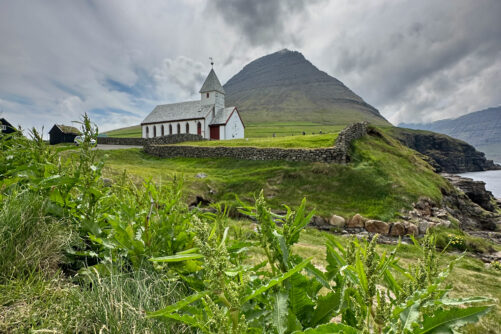
Northern Islands | The Photography Tour
Tour startsTórshavnDuration7 hours -
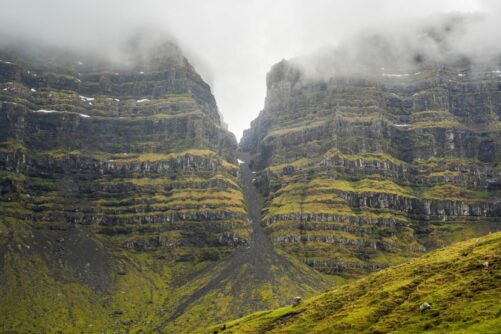
8-hour Ghost Town Tour in the Northern Isles
Tour startsKlaksvíkDuration8 hours -
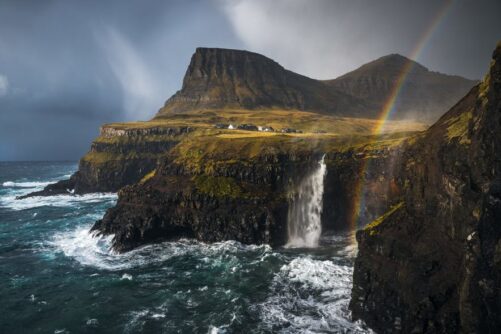
The Pick Me Up Tour | Faroe Islands
Tour startsDuration4 hours -
Perfect 5-Day Vacation Package in Faroe Islands
Tour startsVágar AirportDuration5 days -

Amazing 6 Day Self Drive Tour of Faroe Islands
Tour startsVágar AirportDuration6 days


Other interesting Attractions


