


4 Days in the Faroe Islands: The Ultimate Itinerary
Jump to chapter
Published: 26/02/2026
Reading time: 14 minutes
Planning a 4-day trip to the Faroe Islands? Which islands are worth the drive when time is limited in the North Atlantic? And what are the sights you simply need to prioritise? Here are the best places to visit when you have limited time to explore. Follow this 4 day itinerary in the Faroe Islands and turn your travel plans into the adventure of a lifetime.
- Browse the full range of sightseeing tours and day trips across the Faroe Islands
- Read the complete guide on what to pack for a Faroe Islands trip
- Short on time? Check out this 2-day Faroe Islands itinerary
- Want more time? Explore the one-week Faroe Islands itinerary
Perched in the North Atlantic between Norway, Iceland, and Scotland, the Faroe Islands are an archipelago of 18 islands. Remote, dramatic, and unlike anywhere else in Europe.
The islands are home to merely 55,000 people, yet the sheep population outnumbers them by a considerable margin, with roughly 80,000 sheep roaming the green hillsides, cliffs, and mountain passes. Cool and remarkably stable temperature, the climate sees summer temperatures typically sitting between 10 and 14 °C (50–57 °F), rarely rising much higher or dropping significantly lower. This all makes the islands comfortable to explore. With refreshing temperatures and its windswept beauty, the Faroe Islands reward those who venture here with scenery that is genuinely difficult to leave behind.
Why the Faroe Islands?
The Faroe Islands do not ease you in gently. From the moment your plane drops below the clouds and the green-black cliffs appear, you understand you have arrived somewhere genuinely different.
Canadian scientist and photographer Jenny Wong captured it perfectly: “I think it was hard to keep driving and not wanting to pull over for shots around every corner in Faroe Islands.” This four-day itinerary is designed to make the most of every one of those corners. From iconic Vágar Island in the west to the sothernmost isle Suðuroy Island.
Planning Your 4-Day Trip in the Faroe Islands

Base yourself in Tórshavn for all four nights. It is central, well-equipped with excellent restaurants, and ideally positioned to reach every island on this route. Book a rental car well in advance and collect it at Vágar Airport on arrival. The Faroe Islands’ road network is excellent and covers around 600 kilometres (373 miles) of well-maintained roads.
Not keen on driving yourself? Every day in this itinerary can also be explored with a knowledgeable local guide. Guide to Faroe Islands offers the world’s wides range of day tours and vacation packages for any trip to the Faroe Islands. You will find day tours that cover the same islands featured in this itinerary. This is a great option if you would rather sit back, listen to local stories, and let someone else handle the navigation. Read on for specific guided tour options at each day.
Day 1 — Vágar Island: Waterfalls, Sea Arche and the Capital
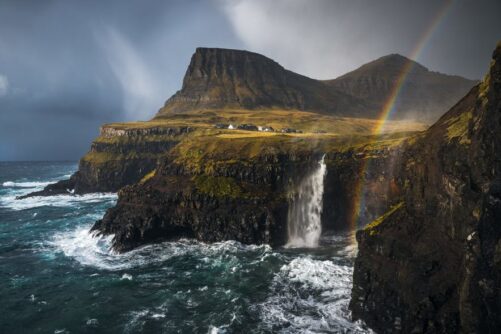
Your adventure begins the moment you land. Drive straight to Gásadalur to see the Múlafossur Waterfall, the most photographed spot in the Faroe Islands. This waterfall is a 30-metre (98 feet) cascade that drops from a cliff edge straight into the North Atlantic. It is a two-minute walk from the car park and spectacular in any weather. Rain only adds to the drama; on windy days the falls sometimes bend sideways in a mesmerising arc.
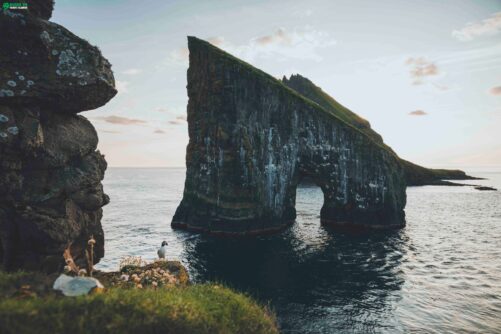
Gásadalur is as far as you can get by car in this part of the airport island. Head back in the direction towards the airport. Just five minutes down the road, Bøur village gives you turf-roofed cottages, narrow lanes, and stunning views of the spiky Tindhólmur Islet and the Drangarnir Sea Arch rising from the waves.

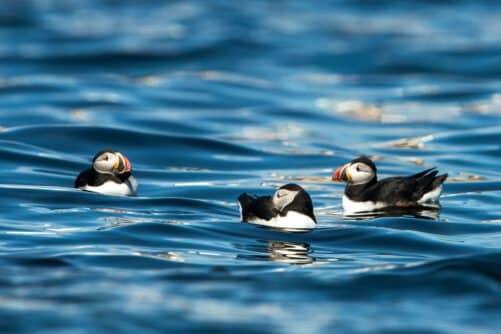
From nearby Sørvágur, join the Classic Drangarnir Sea Arch Boat Tour. This is one of the most exhilarating experiences in the archipelago. Between May and August, puffins spend time in these waters.
In the afternoon, drive through the Vágatunnilin underwater tunnel to Tórshavn. Check in, then explore the Tinganes Peninsula with its centuries-old grass-roofed government buildings, the colourful Reyn district, and the harbour front at Skansin Fortress. Dinner at Áarstova (traditional Faroese braised lamb) or Etika Sushi Bar — both require advance booking during summer.
Prefer a Guided Tour of Vágar Island?

Those wishing to explore Vágar Island with a local expert can browse the full range of Vágar Island Tours. A great choise available all year round is the popular 6 Hour Highlights of Vágar Island.
Your local guide will take you to Trælanípa Cliff and the settlement Bøur, Gásadalur, and more! The tour is a great way to notice the special light that finds its way through the clouds most days.
Day 2 — Sandoy Island and Historic Kirkjubøur

Drive through the Sandoyartunnilin underwater tunnel — 10.8 km (6.7 mi) long and 155 metres (508 ft) below the seafloor at its deepest. Watch for the art installations by local artist Edward Fuglø that line the tunnel walls.
On Sandoy Island, begin with the hike to Líraberg Cliff close the village Skopun. The straightforward out-and-back trail takes around 1.5 hours and is rewarded by wild, wind-battered sea cliff views. This is one of the easy hikes in the Faroe Islands.

Continue to the secluded hamlet of Dalur, hidden in a valley and surrounded by mountains. Very few visitors make it here. Stop the car, take a stroll through the colourful houses and down to the beach, and let the quiet settle in.
The small settlement of Skarvanes, once a ghost town and now inhabited again, adds another layer to the island. It is the birthplace of the first artist in Faroe Islands history known by name, and from its shore you have excellent views across to Skúvoy Island.
Back on Streymoy Island, stop at Kirkjubøur. This is the cultural heart of the islands. St Olav’s Church has been in use for over 900 years. The roofless Magnus Cathedral ruins date from the 14th century. And the Roykstovan farmhouse has been continuously inhabited by the Patursson family since the 11th century, making it one of the oldest wooden dwelling houses in the world.
On your return to Tórshavn, detour through Velbastaður and wind down to the remote valley of Syðradalur. This is on Streymoy Island’s west coast and is a world of grassy solitude that very few visitors discover.
Prefer a Guided Tour of Sandoy Island?

You also have the option to join a guided tour on the ‘sandy island’ as it translates from Faroese, the local language in the Faroe Islands. The Full-Day Sandoy Island Tour departs from Tórshavn and covers the island’s highlights with a local guide.
This guided tour including Lake Sandsvatn, the island’s coastal villages, and the most scenic viewpoints. A great alternative for those who prefer guided exploration.
Day 3 — Eysturoy Island: Fjords, Waterfalls, Villages and Vantage Points

Begin the morning at the National Gallery of the Faroe Islands in Tórshavn (pre-book entry tickets). The works of Mikines — the most important painter in art history in the Faroe Islands — show you the landscapes you are about to drive through in an entirely new light. Allow at least an hour and a half.
Then drive through the Eysturoyartunnilin tunnel, home to the world’s first underwater roundabout. There is a glowing artwork by artist Tróndur Patursson nicknamed the “jellyfish roundabout” — at 189 metres (620 ft) below the seabed.

On Eysturoy Island, follow the Funningsfjørður Fjord road northwards. Mountains plunge into the water at your side, and wherever you look, waterfalls thread their way down the steep hillsides.
After heavy rain, dozens of temporary cascades appear along the mountain faces, running silver against the green and black basalt rock. The Faroe Islands are laced with running water ad the landscape seems in a constant state of gentle overflow.

Make the fjord settlement of Elduvík your first stop. This is a quietly extraordinary place where colourful houses are pressed closely together against the elements. A river splits the village in two before reaching a rocky beach.
Down at the waterfront, you will see a statue of Marmennilin, the merman of local legend. It stands by the seaside and a fitting emblem of a settlement that feels more myth than map. Just as isolated as Gjógv, and even quieter, Elduvík is a genuine hidden gem.
A Gentle Walk in Nature

Next, make a short stop Funningur with its striking black timber church and sod roof beside the fjord. The settlemtn is on the route north and definately worth a stop.
Continue to Gjáarskarð Mountain Pass and make a stop for the 20-to-30-minute walk to Hvíthamar Vantage Point. You get sweeping panoramas over the fjord for very little effort.
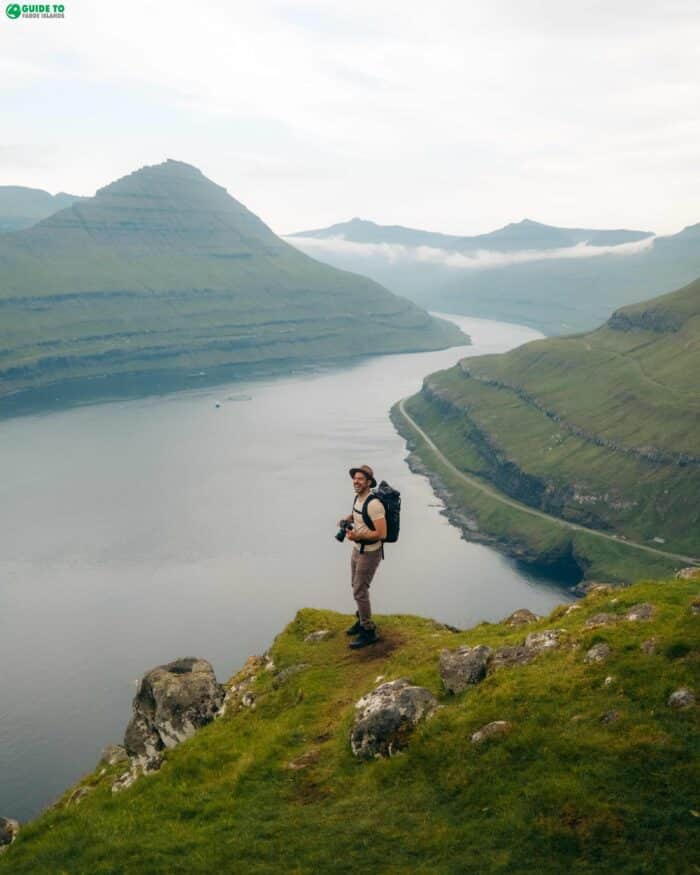
The day’s next highlight is Gjógv, one of the most beautiful villages in all of the Faroe Islands, built around a 200-metre (656 ft) natural sea gorge. Walk to the gorge’s end and watch the North Atlantic surge through the narrow channel.
Puffins nest in the cliffs overhead in summer. While summer draws the most birds to this spot, winter in the Faroe Islands brings crashing waves that thunder into the sea gorge, showcasing nature’s raw power.
More Waterfalls, this time the Tallest!

While on the way back to the capital, Tórshavn, stop just before you reach the settlement Eiði for views of the Risin and Kellingin sea stacks. The legend has it that the giant and his wife turned to stone while trying to drag the Faroe Islands to Iceland.
As you head south towards Tórshavn, look across to Streymoy Island to catch a glimpse of Fossá Waterfall. At 140 metres (459 ft) this is the tallest waterfall in the island group. It cascades beside the road. It is yet another reminder of just how alive with running water these islands are.
Prefer a Guided Streymoy Island and Eysturoy Island Tour?

The Spectacular 8 Hour Streymoy Island Day Tour combines Vestmanna Sea Cliffs, the remote village Saksun, cascading waterfalls, and the wild settlement of Tjørnuvík in a single guided day. With the famous Vestmanna Sea Cliffs boat trip included, this tour takes you around.
For a tour that sweeps across both Streymoy Island and Eysturoy Island in one day, go for the Faroe Islands Highlights Tour. It covers Saksun, Gjógv, and the northern fjord roads; an excellent choice with pickup from Tórshavn.
Day 4 — Suðuroy Island: The Stunning South
This is the day that feels like falling off the edge of the map — in the best possible way. Suðuroy Island is the southernmost island in the archipelago and one of the most stunning. It rewards those who make the effort with cliffs, an epic located lighthouse, and a profound sense of remoteness.
Take the two-hour ferry south to Suðuroy Island. The crossing passes some smaller islands including Stóra Dímun and Lítla Dímun. Getting to the island requires you to take the ferry SMYRIL departing from Tórshavn.

Make sure to check the ferry timetable when you exlore the island independently as the departure times differs from one day of the week to the next. The ferry ride comes with staggering drama. There is a restaurant on board with hot and cold meals.
On arrival, head north. Make Hvalba your first stop. It has a quite pleasant flat area with a black sand beach. For those who want an extra dose of adventure, drive further north to Sandvík and continue further to Ásmundarstakkur Rock Pillar. Cross the famous wooden bridge to the cleft at Rituskor, if you dare.

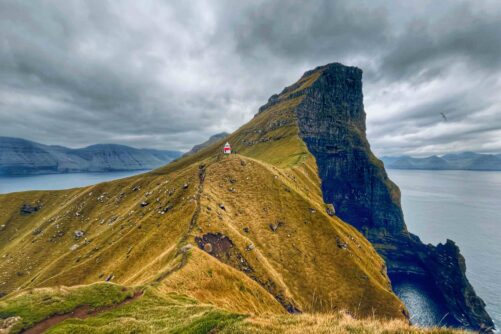
Now, drive south. Stop next to Beinisvørð Promontory, a sheer wall of rock dropping to the sea and one of the most amazing viewpoints. Continue to Akraberg Lighthouse, the archipelago’s southernmost point.
Before you reach the lighthouse, you will get to the settlement Sumba. Take in the colourful houses and the coastal views with skerries in front of it. If you have time left before the evening ferry back to Tórshavn, make it to Fámjin. The village houses the original Faroese flag located in the small village church.
Suðuroy with a Guided Tour

Day 4 is best experienced as a guided excursion. The Captivating 12 Hour Tour to Suðuroy Island departs Tórshavn in the morning, includes the two-way ferry ticket, lunch, and a local guide who brings the island’s legacy to life.
The island comes at a slower pace and feels worlds away from any urban environment. It is the kind of place that rewards those who let someone else do the navigating.
Practical Notes for your 4 Day Itinerary

- Book your rental car months ahead if visiting between April and October. Availability is limited during peak season.
- Pre-book Tórshavn restaurants during April–October. The dining scene is excellent and walk-ins are rarely possible in summer.
- Secure entry tickets for the National Gallery of the Faroe Islands before you travel.
- Book the Suðuroy day tour well in advance. The Captivating 12 Hour Tour to Suðuroy Island is a small-group excursion with limited spots.
- Pack waterproof layers regardless of forecast. The Faroe Islands experience rain on over 250 days per year, mostly only short showers. Read the full guide to the weather before you travel.
- Plan flexible days where possible.
- Pre-book the Drangarnir Boat Tour well in advance for your 4 day Faroe Islands itinerary.
- Read up on the Faroe Islands tunnels before you go — the underwater road network is impressive and connects all but Suðuroy Island of the islands covered in this itinerary.
- Prefer not to drive? Browse all guided day tours and vacation packages readily bookable on Guide to Faroe Islands.
Extend Your Stay in the Faroe Islands

Four days in the Faroe Islands will leave you wanting more. From the remote village of Viðareiði in the northern part of the archipelago, to the iconic Nólosy Island just a short ferry ride from the capital. There is no shortage of reasons to return. Consider the 5-day road trip itinerary or the comprehensive one-week itinerary to explore the archipelago even more.
Browse the best of Faroe Islands section for further inspiration, and read the travel information guide for everything from flights to the Faroe Islands to hotels in Tórshavn and hiking trails. The islands will be here, waiting, whenever you are ready to return.

More articles
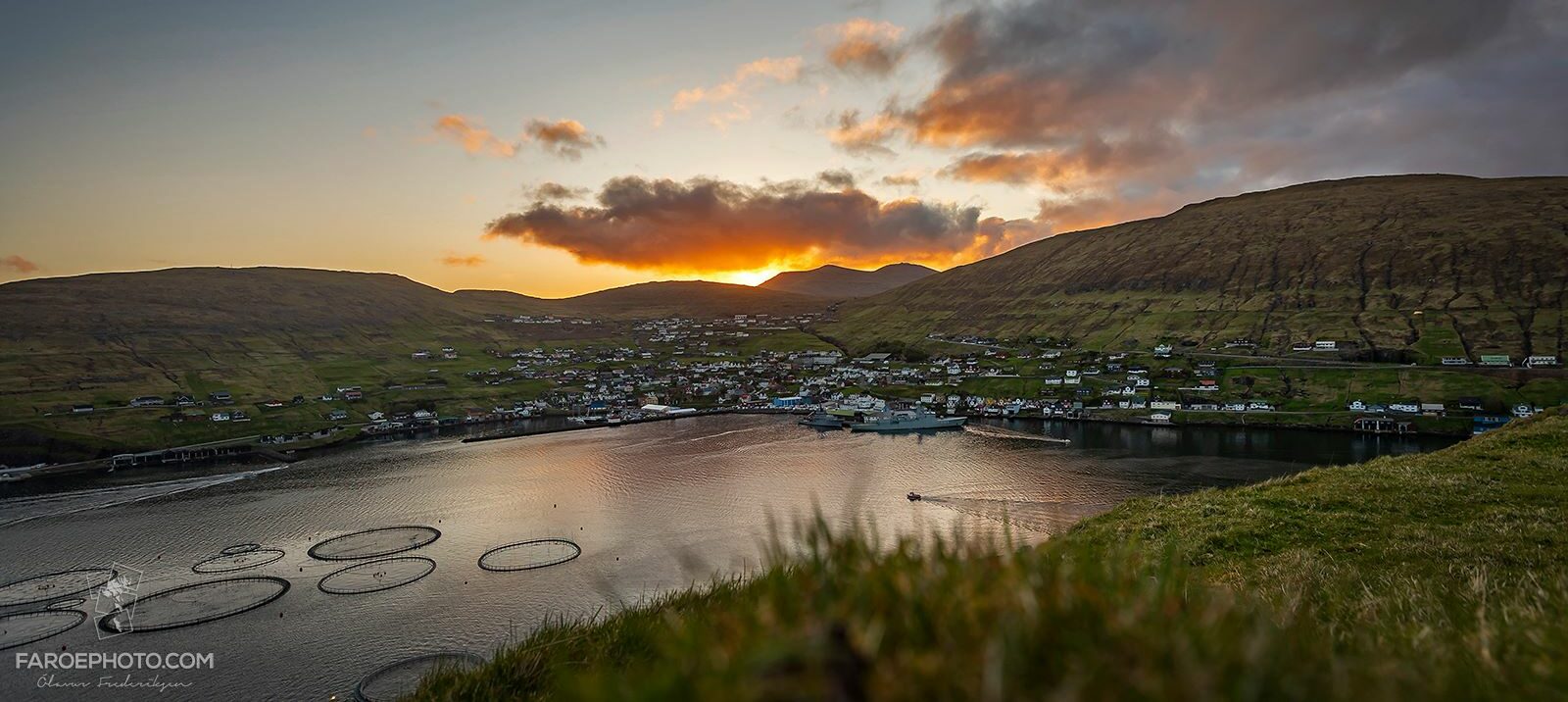
Guide to Vestmanna – Historical Treasure and Alluring Nature

Faroe Islands in February | Everything You Need to Know
Popular tours
-

Spellbinding 5 Day Summer Vacation Package of the Faroe Islands
Tour startsTórshavnDuration5 days -
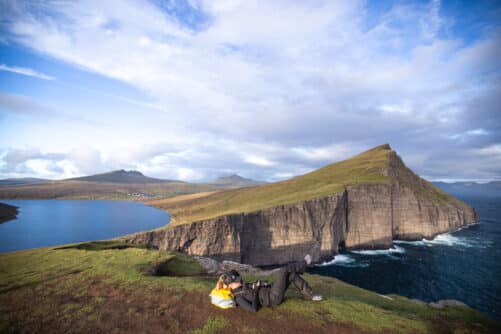
Vágar Island | The Photography Tour
Tour startsTórshavnDuration7 hours -
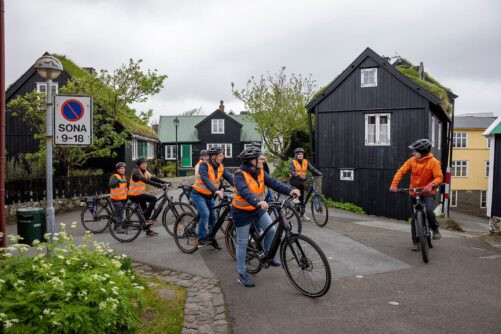
Tórshavn City E-bike Sigtseeing Tour
Tour startsTórshavnDuration2 hours -
Classic Drangarnir Sea Arch Boat Tour
Tour startsSørvágurDuration1 Hour -
The Pick Me Up Tour | Faroe Islands
Tour startsDuration4 hours -
Breathtaking 6 Day Faroe Islands Summer Package
Tour startsTórshavnDuration6 days -
Unique Puffin Safari Boat Tour
Tour startsSørvágurDuration1.5 hours -
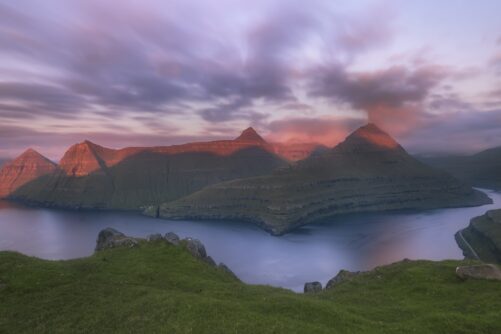
Unforgettable 7 Day Summer Package of Faroe Islands
Tour startsVágar AirportDuration7 days -
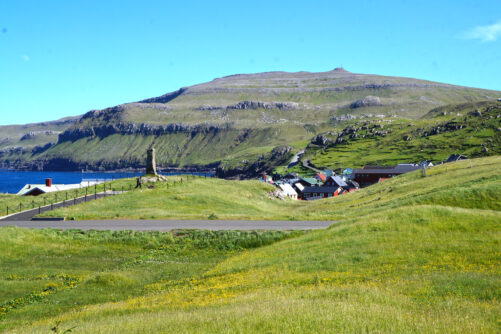
Scenic 7 Hours Sandoy Island Day Tour
Tour startsTórshavnDuration7 hours -

Engaging 2.5 Hour Tórshavn in a Seashell Tour
Tour startsTórshavnDuration2.5 hours -
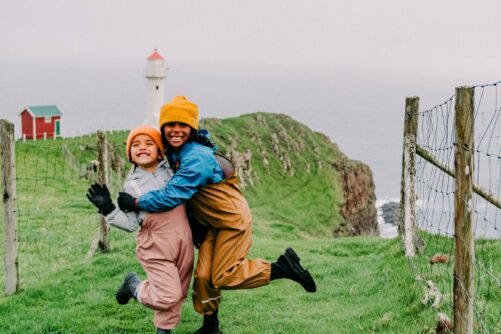
Captivating 12 Hour Tour to Suðuroy Island
Tour startsTórshavnDuration12 hours -
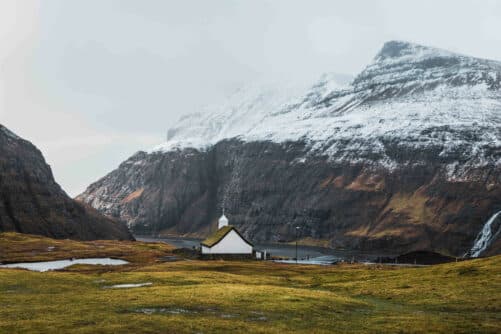
4 Day Winter Package | Best of Faroe Islands
Tour startsVágar AirportDuration4 days -
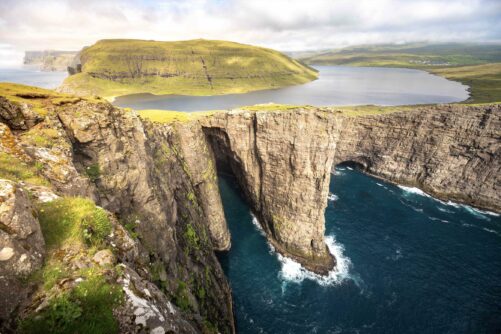
The Classic 4 Hour Tour of Vágar Island
Tour startsMiðvágurDuration4 hours -
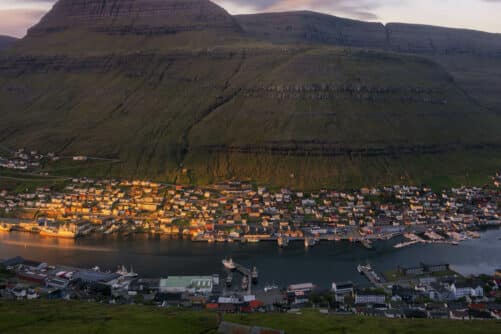
Classic 4 Hour Northern Isles Tour
Tour startsKlaksvíkDuration4 hours -

Inspiring 6 Hour ‘Lake Above The Ocean’ Tour
Tour startsTórshavnDuration6 hours


Other interesting articles


